A blocked drain is one of the most common household problems, and it never turns up at a good moment. Bad smells and slow-draining water soon throw your routine off course. Here we look at why drains get blocked and share practical ways to stop clogs forming.
The Most Common Causes of Blocked Drains
Drains can block for all sorts of reasons, but a handful of culprits turn up again and again.
Fat, Grease and Cooking Oil
Fat and grease go down the plughole as a liquid, then cool and harden on the inside of the pipe. Layer by layer, they narrow the pipe until water can barely get through, which is why kitchen drains suffer most.
Hair
In the bathroom, hair is the main offender. It binds with soap scum into a tough mat that clogs basins, showers and baths.
Things That Should Never Go Down the Drain
Cotton buds, sanitary products and wet wipes often cause blockages once they are flushed or rinsed away.
Tree Roots
Underground pipes hold moisture, and roots go looking for it. Once they find a way in, they can crack the pipe and choke the flow.
Leaves, Silt and Building Waste
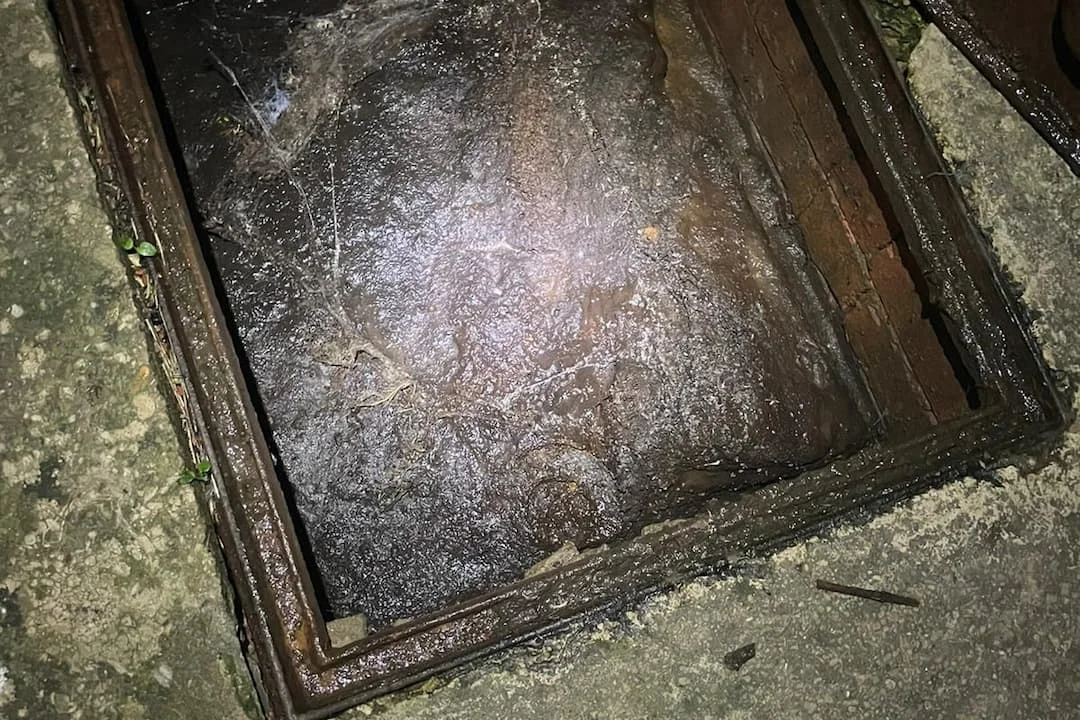
Outside drains face a different set of problems. Gullies at the foot of downpipes collect leaves, moss and silt washed off roofs and paths, and once enough has built up, rainwater backs up instead of draining away. Cement, plaster and grout rinsed into a drain after building work are even worse, because they settle in the pipe and set hard.
Damaged or Sunken Pipes
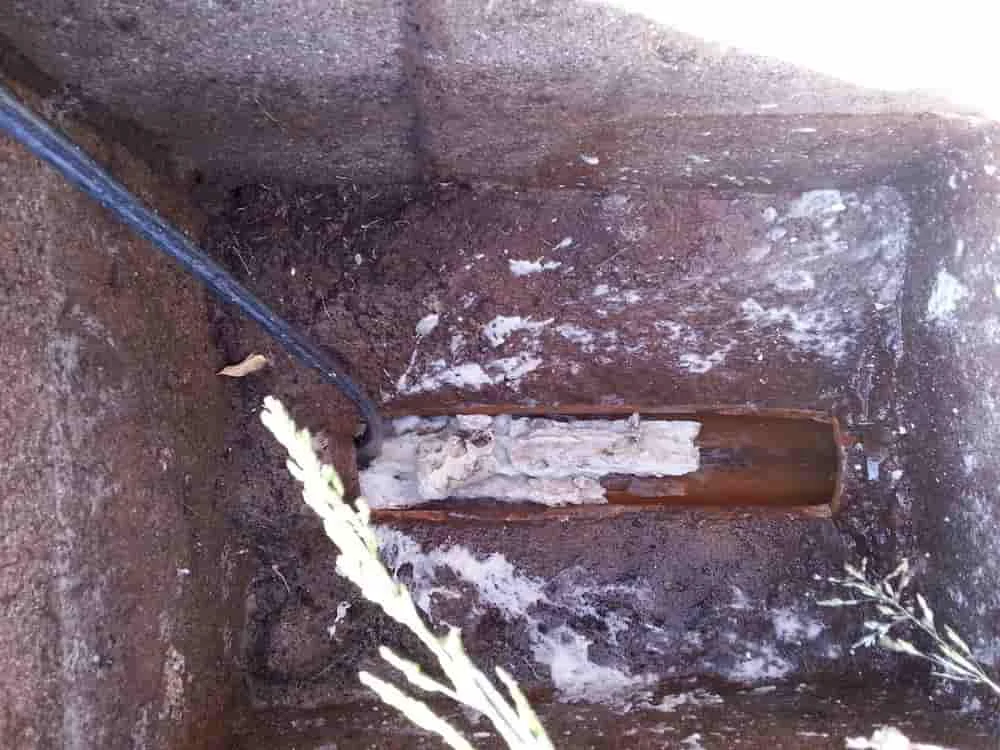
Sometimes the pipe itself is to blame. Many older homes have clay drains made up of short lengths, and over time the joints can shift, crack or open up. A step at a joint catches paper and debris, and a section that has sunk forms a dip where silt and water sit. Drains like these tend to block repeatedly until the fault is repaired.
Food Scraps and Coffee Grounds
Rice, pasta, peelings and coffee grounds do not dissolve. Rinsed down the sink, they settle in the trap and bends and bind with grease into a stubborn plug.
Simple Ways to Stop Drains Clogging
Not every blockage can be avoided, but a few good habits and some inexpensive tools will prevent a lot of them.
1. Fit Drain Covers
A strainer or cover over the plughole traps hair, scraps of food and other debris before they can reach the pipework.
2. Bin Your Fat and Oil
Rather than tipping grease into the sink, pour it into a container, let it set and put it out with the rubbish.
3. Only Flush Toilet Paper
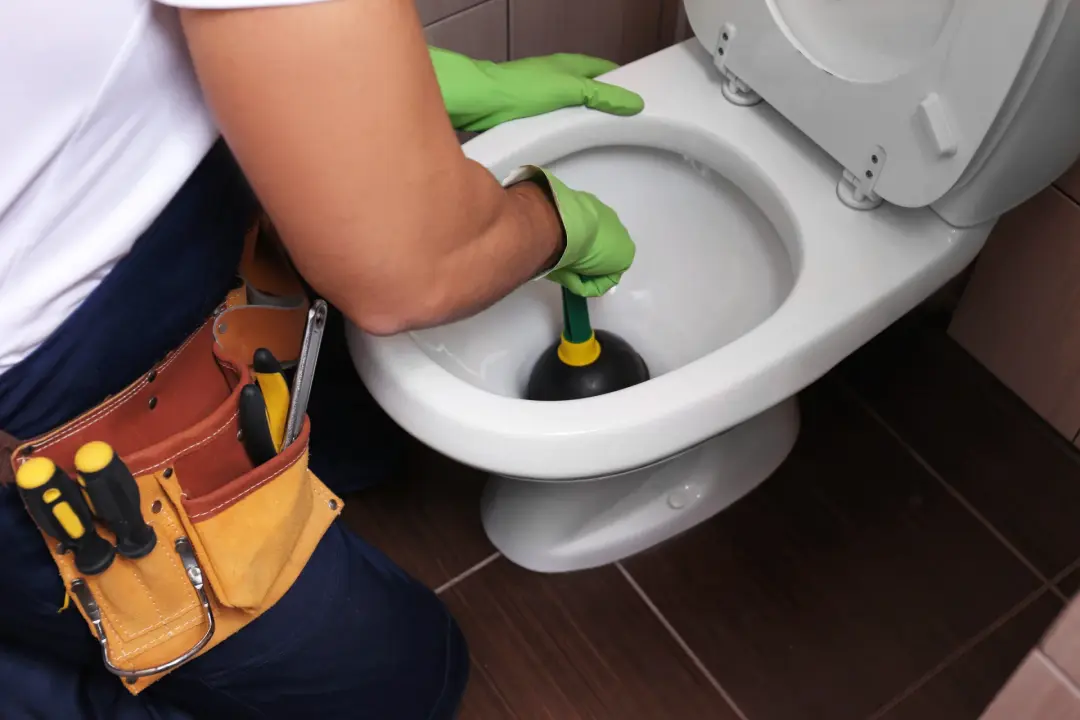
Keep wet wipes out of the toilet, including the ones sold as "flushable". They do not break down the way paper does and can easily block a pipe.
4. Clean Your Drains Regularly
Once a month, pour boiling water, or a mix of baking soda and vinegar, down your drains to break up small build-ups before they grow.
How to Clear a Drain That Is Already Blocked
If your drain has already blocked, there are several ways to get it moving again.
Drain Jetting
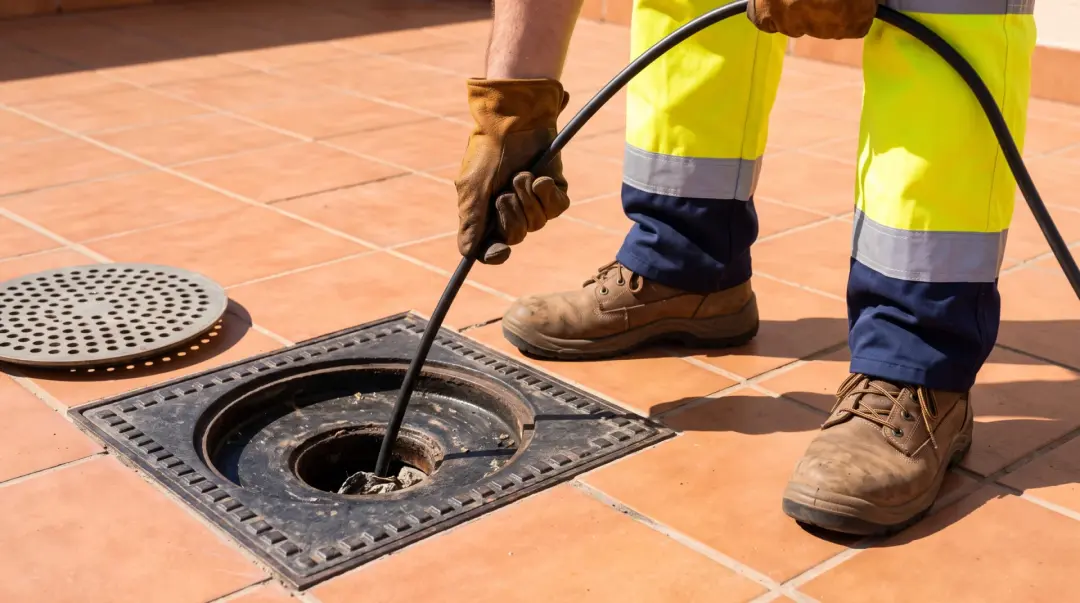
Jetting fires water at high pressure along the pipe to shift stubborn clogs and scour the pipe walls clean. It works especially well on fat and soap deposits.
Camera Drain Surveys
When the cause is not obvious, a camera survey shows what is going on inside the pipe, whether that is roots getting in or something more serious.
Professional Drain Cleaning Equipment
Tough or repeat blockages call for professional kit that clears the pipe properly and helps keep it that way.
Blockages in Commercial Kitchens
The reasons why drains get blocked in a restaurant, café, pub or hotel are much the same as at home, only on a bigger scale. A busy kitchen sends a lot of fat, oil and grease down its drains every day. A grease trap catches much of it before it reaches the pipework, but only if it is emptied and maintained regularly.
Jet Plumb maintains grease traps for restaurants and hotels and uses drain jetting to clear kitchen drains when build-up starts to slow them down. Planned cleaning is far less disruptive than an emergency in the middle of service.
Why It Pays to Use a Local Drainage Company
DIY can sometimes shift a minor blockage, but professionals bring clear advantages. Local drainage engineers carry specialist kit, such as high-pressure jetting units, that cleans pipes thoroughly. They respond quickly, which matters most in an emergency. And a good engineer does more than clear the blockage: they fix whatever caused it, so it is less likely to return.
Talk to Jet Plumb About Your Blocked Drain
From jetting to camera surveys, our experienced team can help, with no call-out charge and free, no-obligation quotes.
If you are in Stroud or anywhere in Gloucestershire, call Jet Plumb on 01453 827124 and we will get your drains flowing again.