A spell of heavy rain can turn a minor drainage problem into a stressful mess very quickly. Everything looks normal, and then water starts collecting outside, drains begin to bubble, or you find yourself dealing with overflowing drains. It happens a lot in the UK, where bursts of heavy rainfall are becoming more common. So what makes drains overflow, and how can you stop it happening?
Why Do Drains Overflow When It Rains Heavily?
Put simply, a drainage system can only carry a certain amount of water at one time. When the rain arrives faster than that, pressure builds up and the water has no way out.
There are a handful of main reasons for this. Combined systems, which take both rainwater and waste, can be swamped in a storm. If the pipes fill faster than they empty, the water backs up and escapes.
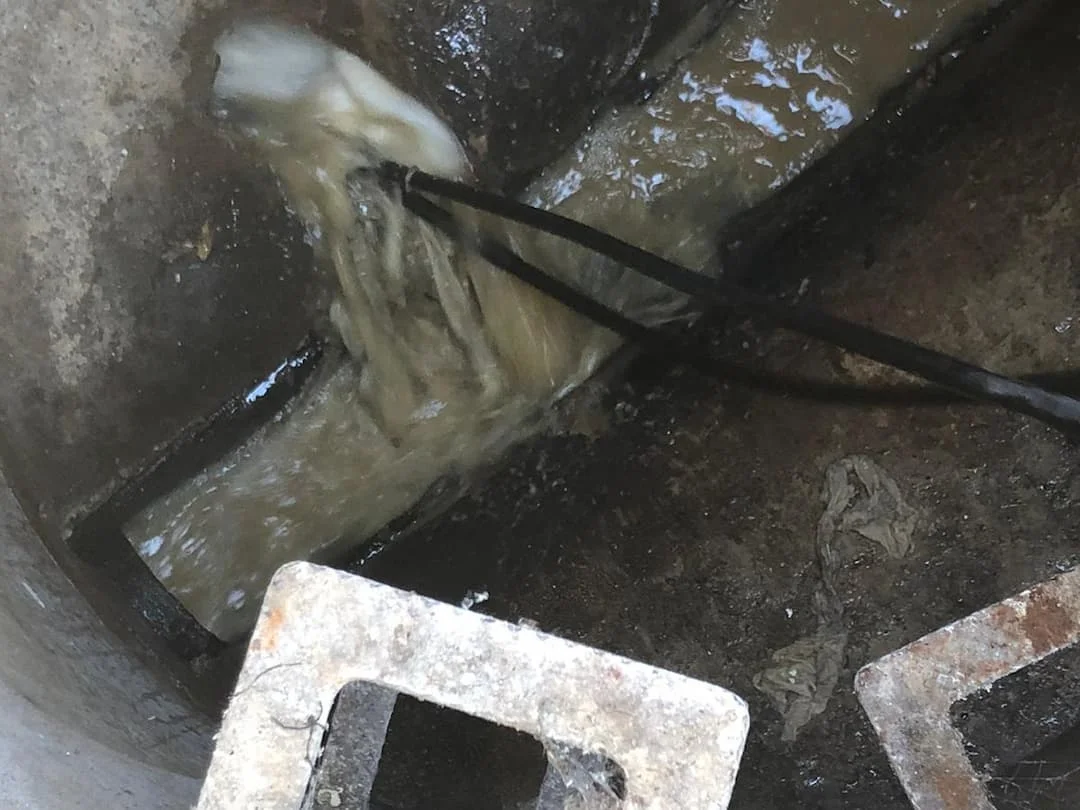
Blockages are a big factor too. Leaves, grease, general debris and even tree roots narrow the pipe and slow the flow. Once the rain comes, there is less room inside the pipe, so the water is far more likely to be forced back up to the surface.
In other cases the cause is old or damaged pipes. Cracks, collapsed sections and joints that have shifted out of line all interrupt the flow, so rainwater cannot pass through the system as it should.
Warning Signs Your Drains Are Struggling
An overflow seldom happens without warning. There are usually clues, as long as you know what to watch for.
Water may take longer than normal to drain away. Gutters and outdoor drains might gurgle or make odd noises while it rains. Sometimes bad smells appear, because waste caught in the system is struggling to move along.
Puddles forming around outside drains or next to the house are another obvious sign. Ignore them and the next heavy downpour could easily lead to a full overflow.
Why Blocked Drains And Heavy Rain Don't Mix
On a dry day, a drain that is partly blocked can seem like something you can live with. Once heavy rain arrives, that changes fast.
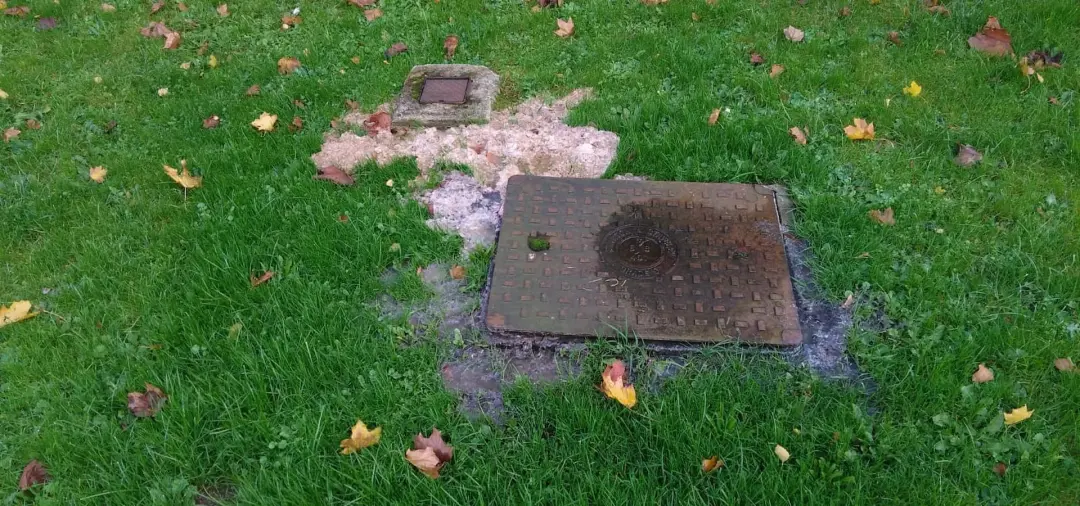
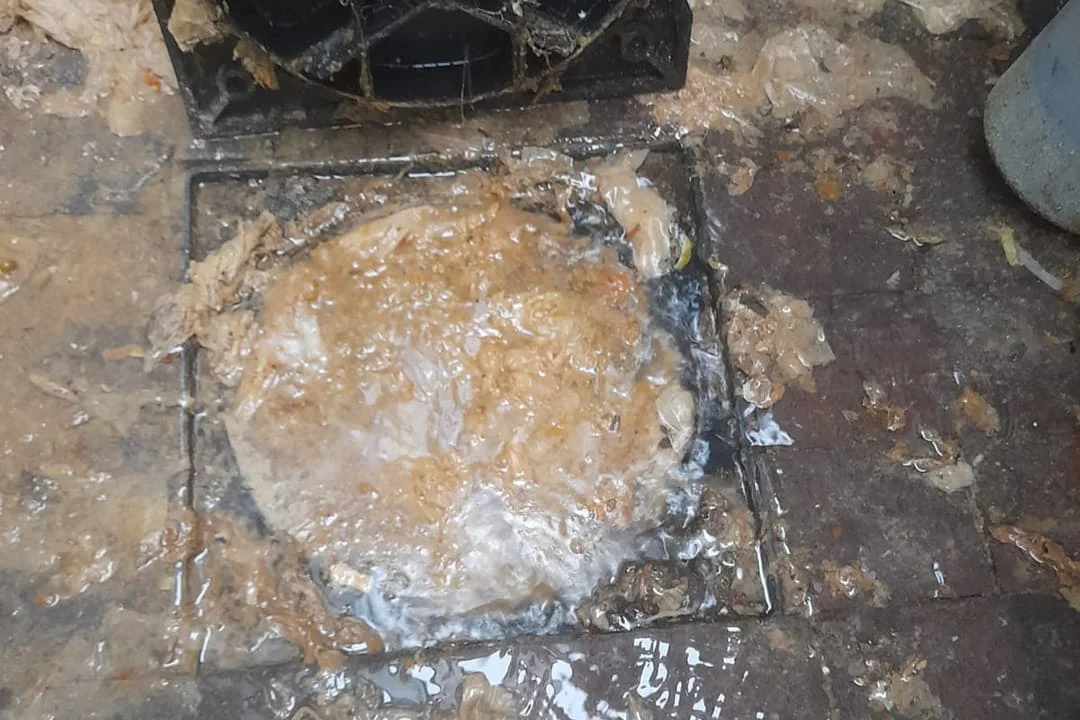
Rainwater needs an open route through the pipes. If a blocked drain is already narrowing that route, the extra water builds up pressure behind it. The water tries to force its way past, and when it cannot, it comes back up. That is when grates overflow and water rises out of inspection covers.
During a storm, even a minor blockage can cause major trouble. It takes very little to tip the system over the edge.
What Heavy Rain Does To Your Drainage
Rain does more than add extra water; it changes the way the whole system behaves.
In a heavy downpour, the local drainage network can become overloaded. When the public sewer is already full, the water leaving your property has nowhere to go. That can cause backflow, with water being pushed back towards your own drains.
Surface water adds to the problem. Ground that is already soaked cannot take in any more rain, so the surplus runs straight into the drains and raises the pressure even further.
Some older systems were simply never designed for today's weather. Drains that coped perfectly well years ago can now struggle with heavier and more frequent rain.
Easy Ways To Lower The Risk Of Overflow
You cannot change the weather, but you can take steps to make an overflow less likely.
Routine maintenance is the best place to begin. Keeping drains free of debris, especially leaves and soil, lets water run through freely. Check outdoor drains and gutters regularly, and particularly ahead of autumn and winter.
Don't pour grease or food waste down the sink, because it builds up over time and causes blockages. Small changes in habit make a real difference.
Fitting drain guards is another option, as they stop debris getting into the system in the first place. If your property tends to flood, having the drains professionally inspected can bring hidden faults to light before they become serious.
When To Bring In A Drain Engineer
Some problems go deeper than a quick fix can reach. When your drains overflow every time there is heavy rain, there is probably an underlying fault that needs looking at.
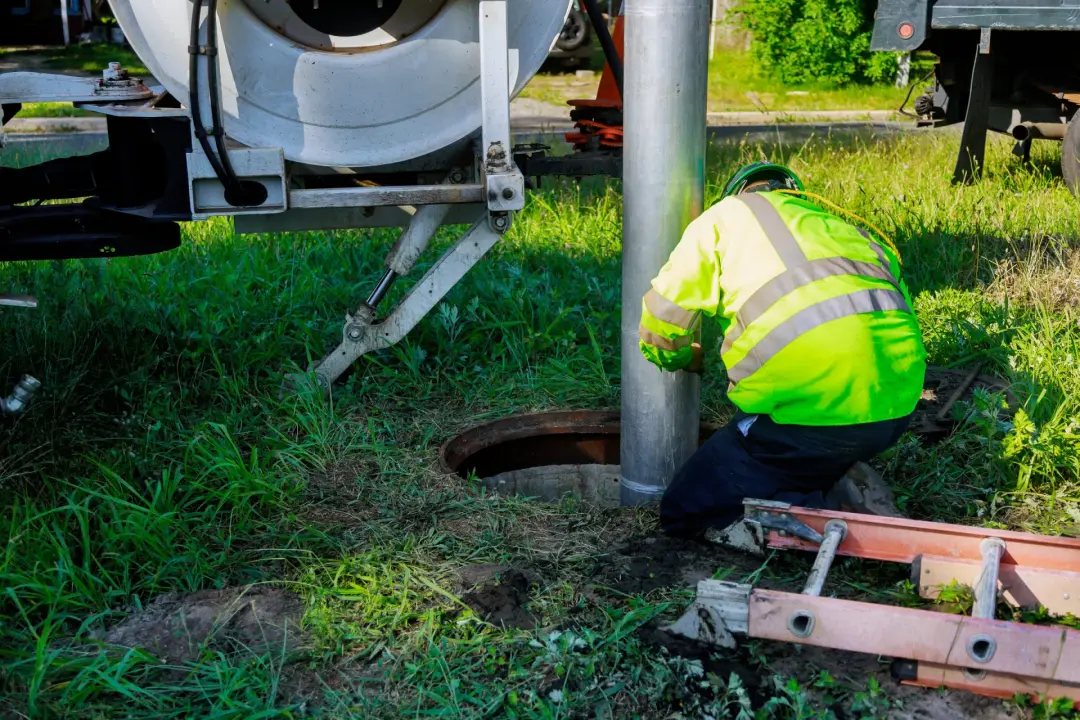
Blockages that keep coming back, smells that return and repeated flooding all suggest it is time to call a professional. An engineer can use a CCTV drain survey to find the cause, whether that is a build-up of debris, damage to the pipe or a more complicated fault.
Dealing with it early can save you from larger repairs down the line. It also keeps water damage away from your home, and that kind of damage is expensive and disruptive to put right.
Ask For A Free Drain Unblocking Quote
Whether you have blocked drains, overflows that keep happening or something that just does not seem right, it is always better to deal with it sooner rather than later. Jet Plumb offers fast, reliable drainage services throughout Stroud and the surrounding area, from stubborn blockages and emergency call-outs to full inspections. We will take a proper look, clear the problem and get your drains flowing as they should again.
If you are in Stroud or anywhere in Gloucestershire, call Jet Plumb on 01453 827124 for a free, no-obligation quote.