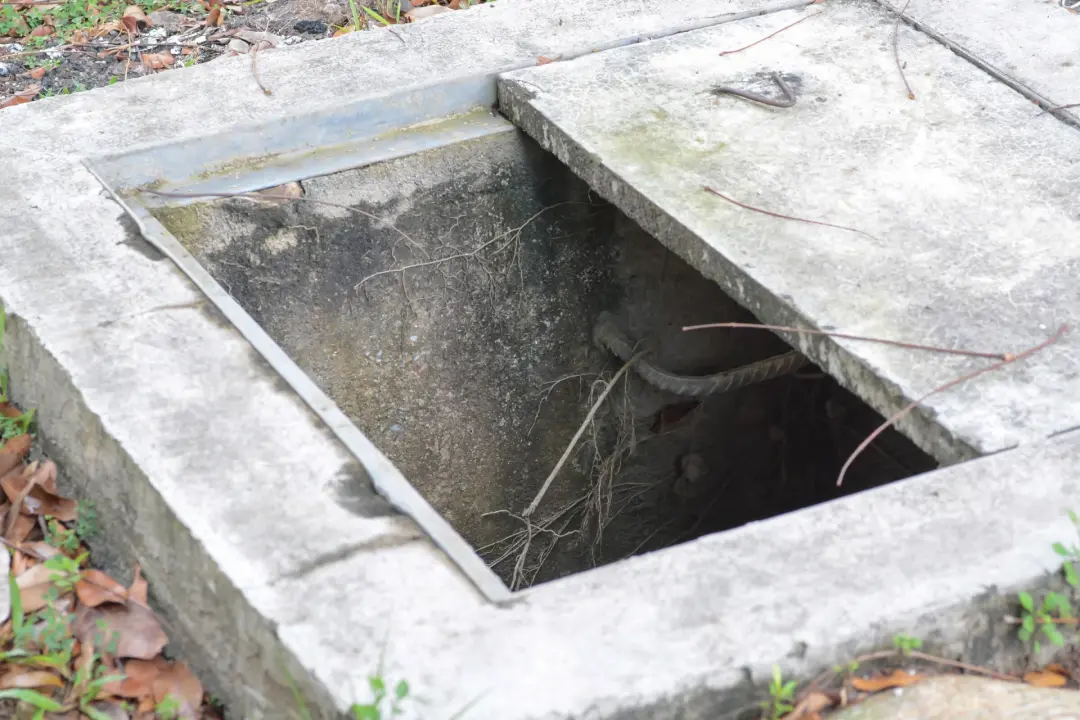
Dealing with a blocked drain is stressful enough without wondering whose job it is to fix it. Thankfully, blocked drain responsibility usually depends on one simple question: where exactly is the blockage? Once you know the answer, it becomes much clearer who you should call and who pays.
This straightforward guide explains who looks after which pipes, so you can act fast and avoid paying for work that is not yours to cover.
Is It Your Drain Or A Public Sewer?
Nearly every drainage problem falls into one of two groups: pipes you own, and pipes your water company maintains. In most cases the dividing line is your property boundary.
- Private drains take waste away from your home and lie inside your property boundary. Looking after these is your responsibility.
- Lateral drains run beyond your boundary, often under the road or pavement, and your local water company usually maintains them.
- Public sewers are the bigger shared pipes that carry waste from many properties. The water company looks after these as well.
The Pipes You Are Responsible For
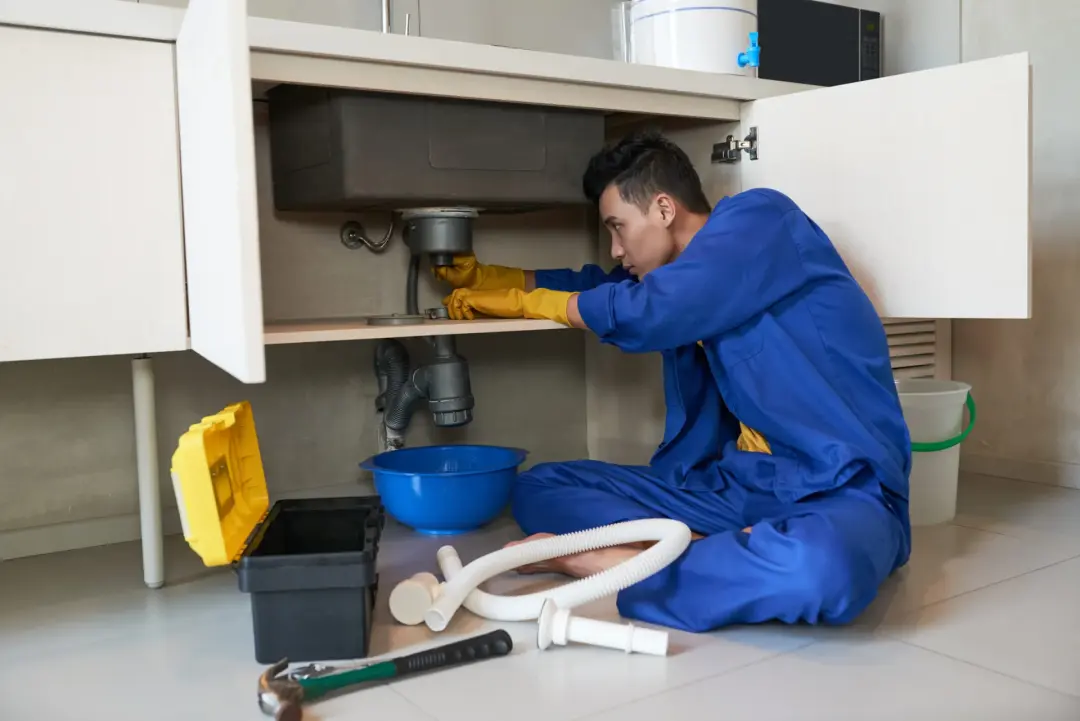
Homeowners are responsible for the pipes inside their property boundary. That includes the drains that run from your sinks, toilets and gullies out to the edge of your land. Should a blockage form here, arranging the repair is up to you, and this is where most everyday blockages are found.
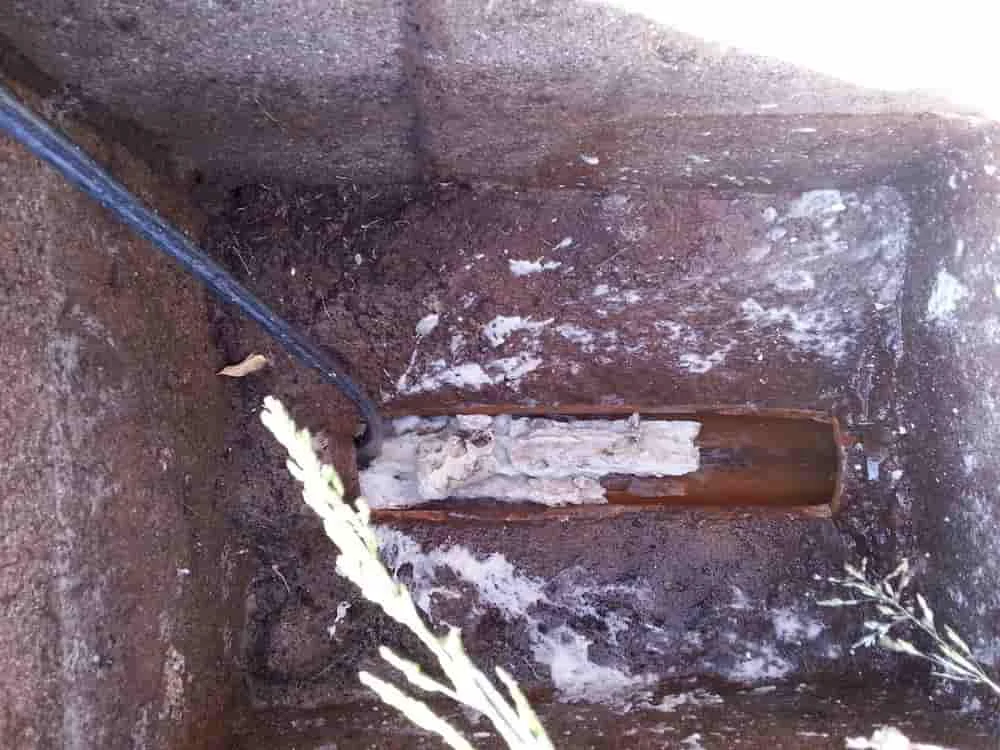
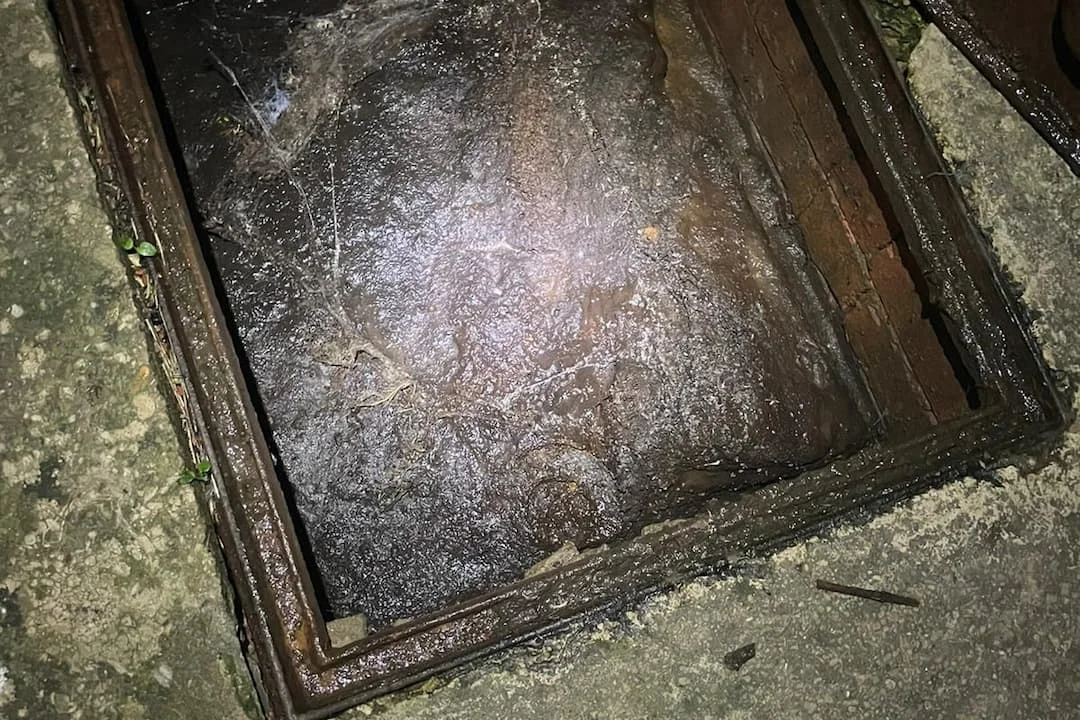
If you have noticed slow drainage, unpleasant smells or water backing up, read about the signs of a blocked drain before the problem gets any worse.
What The Water Company Looks After
As soon as the pipe crosses your boundary, responsibility normally passes to your water company. Most lateral drains and shared sewers were transferred to the regional water companies in 2011, so a problem out in the road or under the pavement is rarely yours to pay for. You can confirm where your responsibility stops by reading the official government guidance on sewer and drain responsibilities.
A Quick Guide To Who Does What
Here is a quick summary to make things clearer:
- Inside your home (sink, toilet or waste pipe): usually you. Call in a local drainage engineer.
- A drain within your boundary: usually you. Book a professional clearance.
- A lateral drain beyond your boundary: usually the water company. Report it to them.
- A shared or public sewer: usually the water company. Report it to them.
Shared Drains And Older Homes
The picture is a little more complicated with older and terraced houses, where a single drain may serve several homes. When a shared pipe becomes blocked, the cost may be divided between the households it serves, or the water company may have to deal with it when the pipe lies beyond the property boundaries. If you are not sure, your property deeds or a phone call to your water company will usually settle it.
Gullies, Rainwater Pipes And Soakaways
Rainwater has its own drainage. Gutters, downpipes and the gullies they empty into are part of your private drainage while they sit within your boundary, so keeping them clear of leaves and silt is down to you. Many homes send rainwater to a soakaway, a pit in the garden that lets the water seep into the ground. A soakaway serving only your property is also yours to maintain, and an old one can silt up and stop draining.
Septic Tanks And Private Treatment Plants
Properties that are not connected to the mains sewer, often the case in rural areas, rely on a septic tank or a small sewage treatment plant. The owner is responsible for the tank, the pipes leading to it and the outlet that carries the treated water away. In England, these systems must also meet the Environment Agency's general binding rules for small sewage discharges. We work on blocked septic tank outlets and the drains that serve them.
Landlords, Tenants And Flats
In rented homes, blocked drain responsibility usually sits with the landlord, who must keep the drains in repair. Many tenancy agreements do allow the landlord to recharge the cost if a tenant caused the blockage, for example by flushing wipes or pouring fat down the sink. In blocks of flats, drains shared by several flats are normally the responsibility of the freeholder or management company, so check your lease before arranging work.
If You Are Not Sure Where The Blockage Is
When the location of a blockage is unclear, a CCTV drain survey is the quickest way to find it. The camera shows exactly where the problem is and how deep it sits, so you know straight away whether to sort it yourself or report it to the water company. It also takes the guesswork out of the job and avoids unnecessary digging.
Need A Blocked Drain Cleared Quickly?
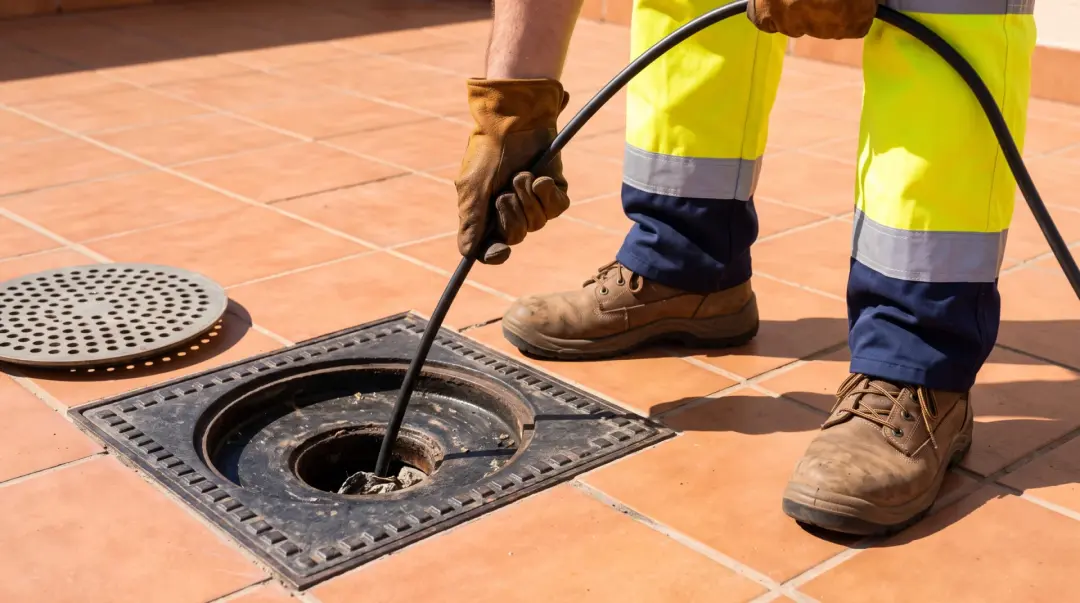
If the blockage sits within your boundary, our engineers can locate it and clear it fast. Find out more about our blocked drains service, or contact us for friendly advice and a quick local visit.
Homeowners, landlords and businesses in Stroud and across Gloucestershire can call Jet Plumb on 01453 827124 to get a blockage sorted.