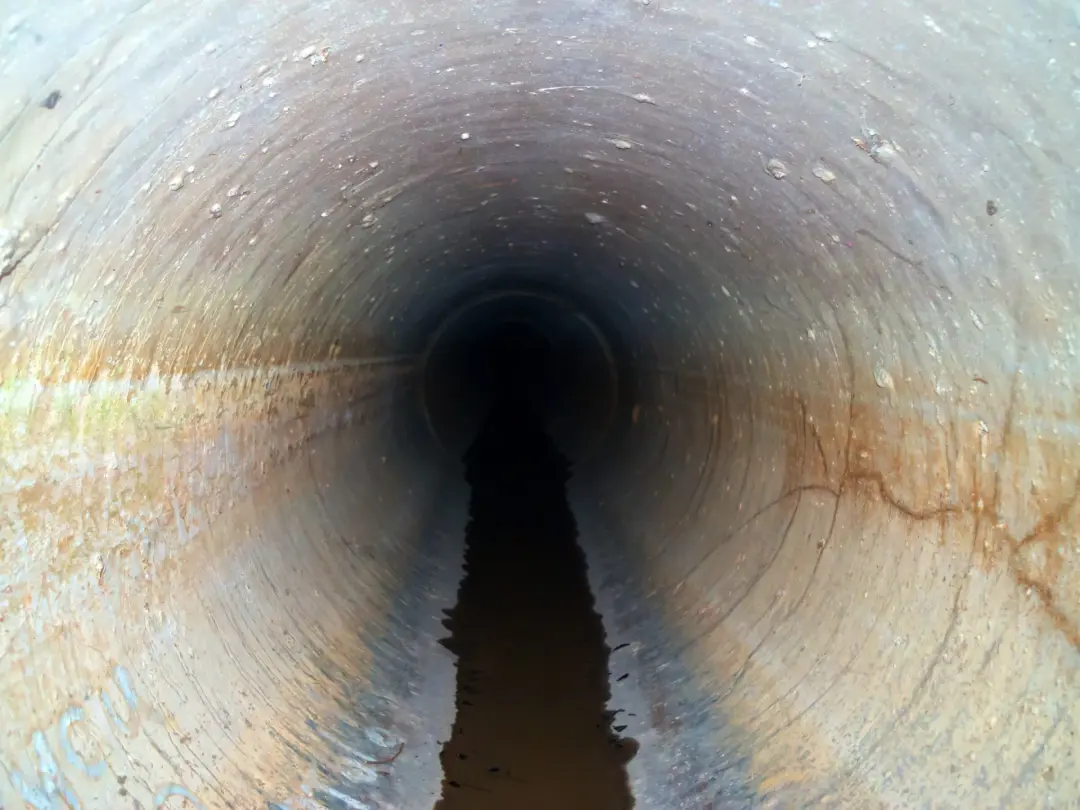
Drain lining is a modern way to repair damaged pipes without having to dig up your property. It renews the pipe from the inside, which usually makes it a less disruptive and more economical fix for common drainage faults. So, what is drain lining, which problems can it solve, and would it suit your home or business?
Problems Drain Lining Can Fix
Lining is a flexible repair method that deals with many everyday pipe problems.
Cracks and Leaks
With age and general wear, pipes can develop small cracks and leaks. If they are not repaired, they can cause water damage or lead to bigger structural problems.
Blocked Pipes
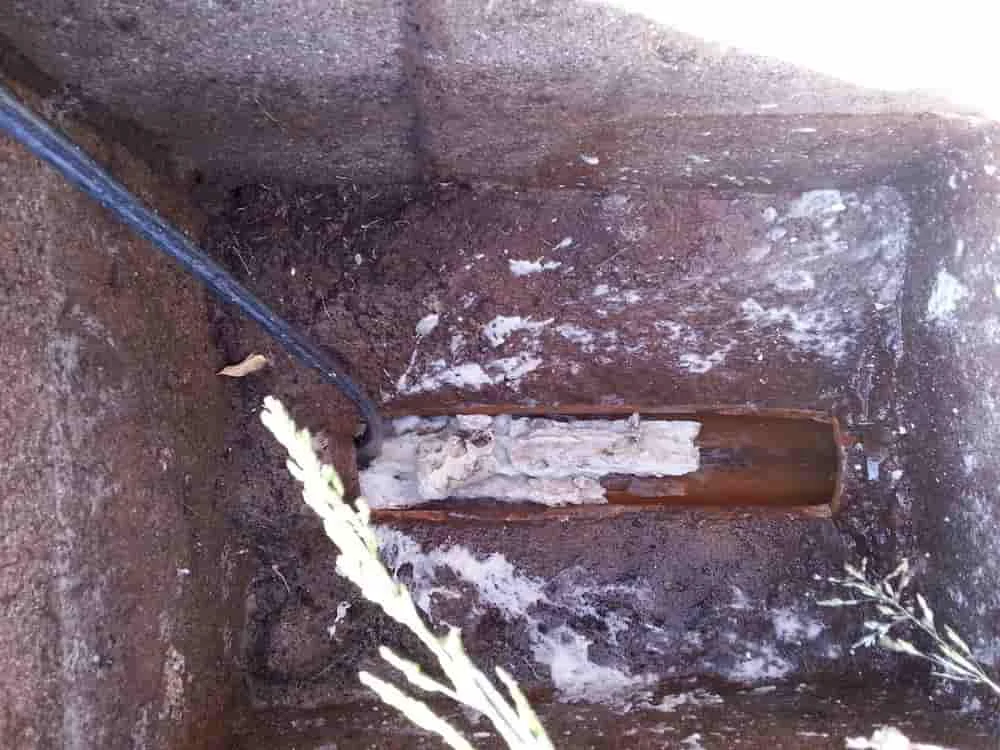
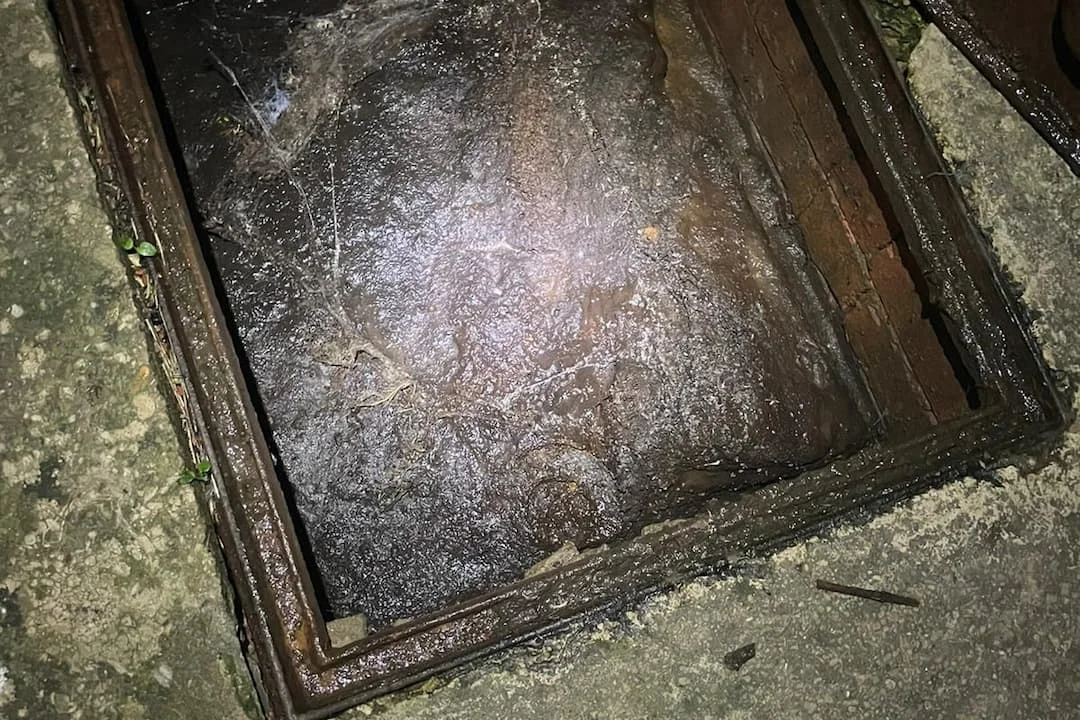
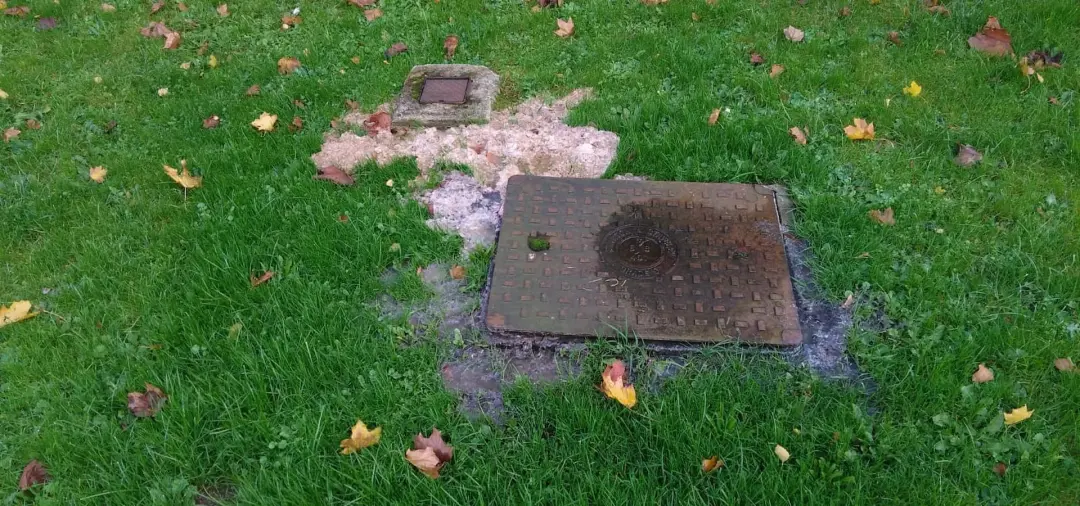
Grease, debris and tree roots can all build up and block a pipe. A lining gives the pipe a smooth inner surface, which makes it harder for new blockages to form.
Tree Root Damage
Roots are a frequent cause of pipe damage because they force their way in through weak points. A lining seals those gaps and stops the roots doing any more harm.
How Does Drain Lining Compare With Other Repairs?
There is more than one way to repair a damaged drain. Here is how drain lining measures up.
Lining or Replacing the Pipe
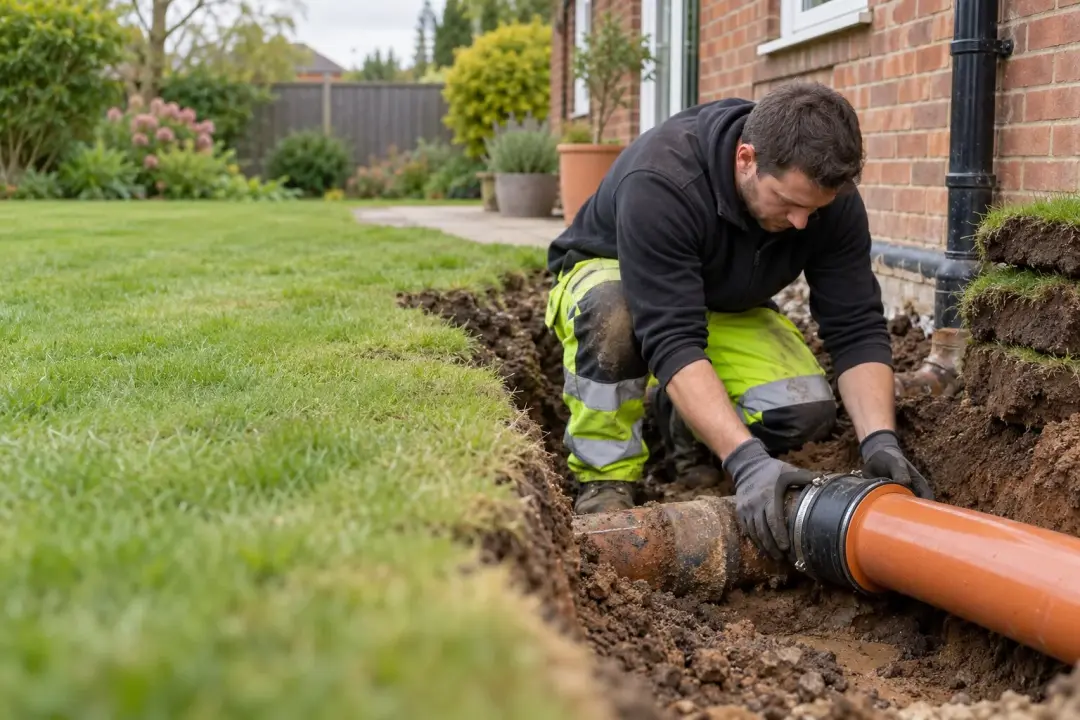
Replacing a pipe means digging out the ground around it, which takes time and adds cost. Lining is a trenchless method, so in most cases your garden or driveway can stay as it is.
Lining or Excavation
Digging out a drain is disruptive and labour-intensive. Lining fixes the pipe from within, so you avoid the upheaval and still get a durable repair.
The Benefits of Drain Lining
Compared with traditional repairs, lining has several advantages.
Good Value
With no trench to dig and no heavy machinery needed, lining often works out cheaper than the alternatives.
Quick and Straightforward
Because there is so little disruption, the work is usually finished far sooner than with traditional methods.
Better for the Environment
Less material has to be dug out and replaced, so lining is the greener choice.
A Lasting Repair
The liner is tough and hard-wearing, helping your pipes last longer and heading off future problems.
How the Drain Lining Process Works
The work is carried out in stages, each one designed to give a thorough repair.
- Camera survey: a CCTV camera is sent along the drain to locate the damage and show how far it extends.
- Cleaning the pipe: blockages and debris are cleared out, usually by jetting, so the pipe is ready for the liner.
- Fitting the liner: a flexible liner soaked in resin is fed into the pipe and inflated so it presses firmly against the inside of the old pipe.
- Curing: the resin sets hard, creating a strong new pipe within the old one.
Full Lining or Patch Lining?
Not every damaged drain needs a liner from one end to the other. Where the camera shows a single crack, an open joint or a short section of root damage, patch lining may be all that is needed. A piece of fibreglass matting soaked in resin is wrapped around an inflatable packer, pushed along to the fault and inflated so the patch presses against the pipe wall while the resin sets.
Where faults are spread along the pipe, a full cured-in-place liner usually makes more sense, because it renews the whole run in one go. The survey footage is what decides it, which is why we do not recommend a lining method until we have seen inside the pipe.
When Lining Is Not the Right Answer
Lining needs an existing pipe to work with. If a section has collapsed completely, is badly misshapen, or has sunk so that water and silt collect in a dip, a liner cannot put that right. In these cases the damaged length has to be dug out and replaced through drain excavation, and lining may still be used on the rest of the run.
A liner also reduces the bore of the pipe slightly, because of its own thickness. In most domestic drains this makes little practical difference, but an engineer will take it into account along with the pipe size and any branch connections. So when people ask what is drain lining best suited to, the short answer is pipes that are cracked, leaking or root-damaged but still in the right place and broadly in shape.
Why Use Professional Drainage Engineers?
DIY might be tempting, but drain lining needs specialist equipment and know-how. A professional drainage company such as Jet Plumb will do the job properly and safely. With high-pressure jetting equipment and years of experience, a good engineer can sort out even the most difficult drainage problems.
Call Jet Plumb for Drain Lining
If you have damaged pipes or blockages that keep coming back, Jet Plumb can help. We carry out full cured-in-place pipe (CIPP) lining as well as patch lining for shorter sections of damage, and we always start with a camera survey so you can see exactly what is going on.
For drain lining in Stroud and across Gloucestershire, call Jet Plumb on 01453 827124 to arrange a free, no-obligation quote.