
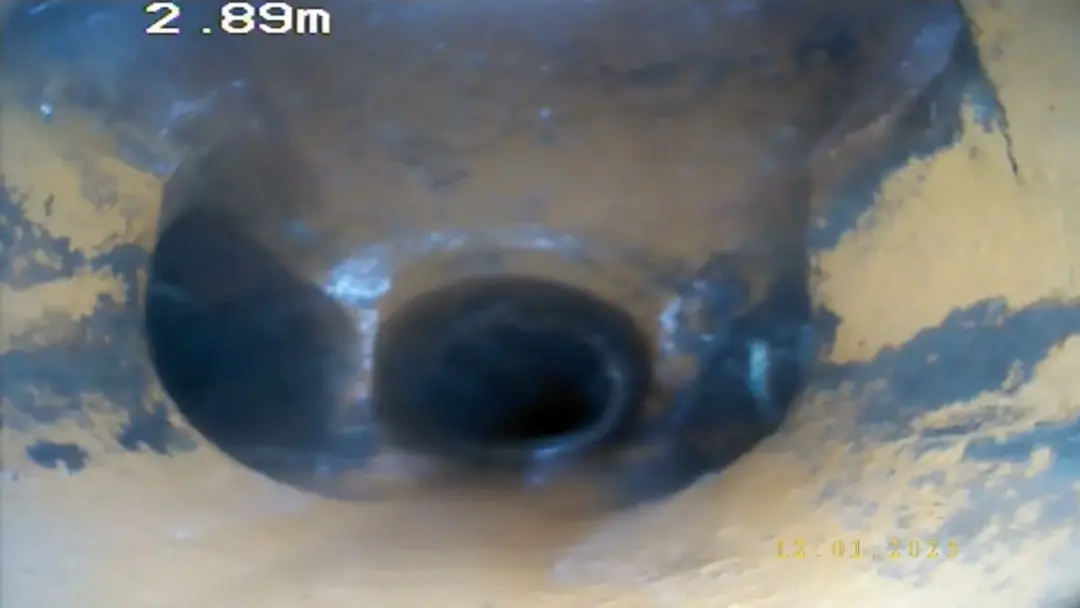
Targeted Repairs for a Single Defect
Jet Plumb provides patch lining Gloucestershire homeowners and businesses can use to repair one damaged spot in an otherwise healthy drain. Instead of digging up the pipe or lining the whole run, we install a short section of CIPP liner precisely over the defect.
It is the right repair for a single crack, a hole, a leaking joint or the point where a root has forced its way in. The rest of the pipe is left untouched, so the work stays focused and tidy, and your garden, drive or floor is not disturbed.
How a Patch Liner Is Installed
First, we survey the drain with a CCTV camera to find the defect and measure exactly how far it sits from the access point. Recording the footage means you get a copy to keep. Precise measurement is what makes a patch effective.
The section to be repaired is then cleaned with high-pressure water jetting, removing scale and debris so the patch can bond to a clean surface. Any roots growing through the defect are cut back first. A clean pipe also lets us double-check the exact extent of the damage.
We wet out a piece of fibreglass matting with resin and wrap it around an inflatable packer. The packer is pushed along the drain to the measured position, checked on camera and inflated, pressing the patch tight against the pipe wall. It stays inflated while the resin cures, then is deflated and withdrawn, leaving a hard, sealed sleeve over the damage. A final look with the camera confirms the repair. The sleeve is thin, so the pipe keeps nearly all of its original bore.
- A single crack or fracture
- A leaking or slightly open joint
- A small hole in the pipe wall
- A point where roots have entered
- A short length of worn or porous pipe
Single Crack Repairs
A lone crack in an otherwise sound pipe is the classic patch lining job. One short liner bridges the crack and seals it, stopping leaks and root entry without touching the rest of the drain or the ground above it.
Leaking Joint Sealing
Joints are the weakest point in older drains, as their seals perish and gaps open up. A patch centred over the joint seals it from inside, keeping waste water in the pipe and roots out of it.
Post-Root Removal Patches
When roots have forced their way in at one point, we cut them back and clean the pipe, then fit a patch over the entry point. That closes the gap, making it far harder for the same roots to grow back into the drain.
Survey Defect Repairs
Home buyer and CCTV survey reports often flag one or two defects in a drain. We can patch exactly the points listed, using the report's measurements as a starting point and confirming each position on camera before installing.
Small Hole Repairs
Holes can form where a pipe has been struck, corroded or worn thin. A patch covers the hole with a hard resin sleeve, restoring the pipe wall so soil and water stop entering through the gap.
Multiple Spot Repairs
When a survey shows two or three separate defects with sound pipe between them, each can be patched in turn. It keeps the work targeted, while longer stretches of damage are better suited to full relining.
Fix It Before It Spreads
A single crack might seem minor, but water escaping through it can wash away the soil supporting the pipe, and roots can widen it year by year. Left alone, a small defect can turn into a displaced joint or a collapse.
Patching it early is a far smaller job than dealing with the damage it can lead to later, and because we work from inside the pipe, there is no digging involved. For many owners it is the simplest way to protect an otherwise healthy drain.
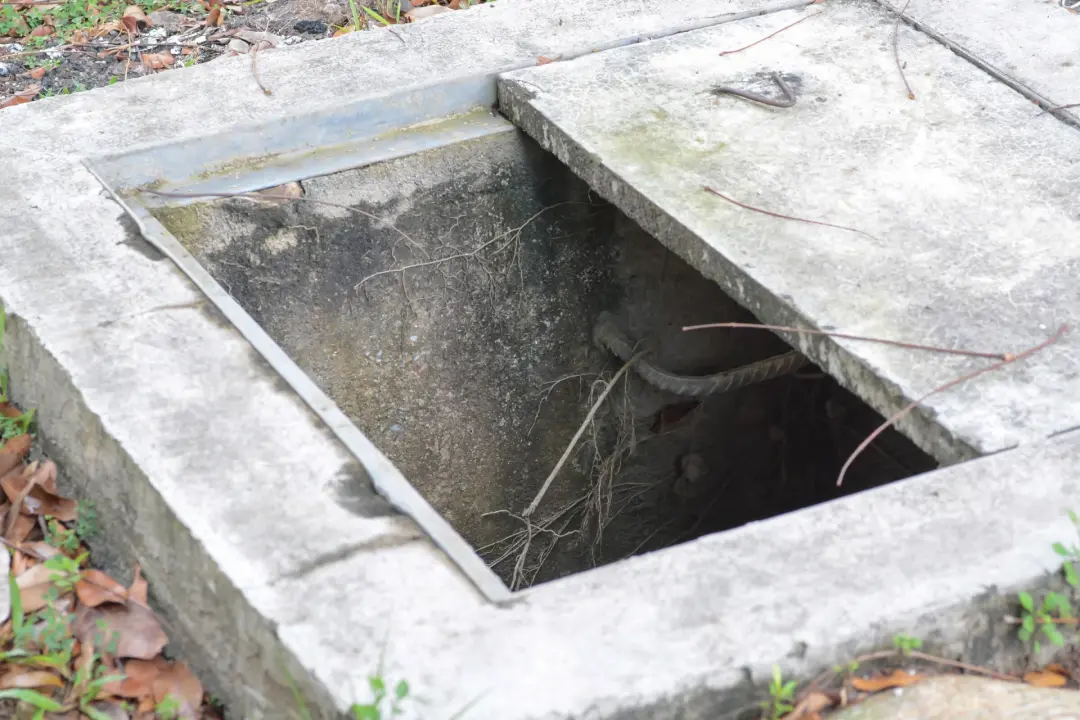
Patch Lining on the Day
We arrive when we say we will and explain the plan before we start. Most of the work happens at the manhole or access point nearest the defect, so there is little disruption inside your home. Where the defect is close to a building, we take extra care with access and protection.
Water must be kept out of that drain while the patch is curing. We tell you which fittings to avoid using and let you know as soon as everything can go back into normal use.
Patch lining suits landlords and businesses who need a known fault fixed with minimal fuss. We hand over the camera footage so you can see the defect and the finished repair, which is useful for your records.
Signs of a Localised Drain Defect
A fault at one point in a drain often causes trouble that keeps returning to the same place. Watch for these signs. One recurring symptom in a single location is often the clue.
- A blockage that always forms at the same spot
- A damp patch or sunken area above one part of the drain
- Roots returning to the same joint after jetting
- A survey report noting a single crack or open joint
- A smell near one manhole or one corner of the garden
- Water seeping out along the drain line near a wall or path
Ask for a Patch Lining Quote
If a survey has already found a defect, call 01453 827124 and tell us what it showed. If not, we can carry out the camera survey and then give you a free, no-obligation quote. There is no call-out charge. For an overflowing or collapsed drain, call our 24/7 emergency line on 07966 142960.
Patch repairs are available in Stroud and throughout Gloucestershire, including Nailsworth, Tetbury, Fairford, Lechlade-on-Thames, Cheltenham and Gloucester. Our engineers are local, so getting to you is never a problem.
Patch Lining FAQs
Common questions about patch lining in Gloucestershire.
Patch lining is a localised CIPP repair. A short length of fibreglass matting soaked in resin is carried to the damaged point on an inflatable packer and pressed against the pipe wall. When the resin cures, it forms a solid sleeve that seals the defect from the inside, without any excavation.
We use a CCTV drain camera to locate the defect and measure its distance from the nearest access point. The packer is then pushed to that measured position, and its placement is checked on camera before it is inflated, so the patch covers the damage fully.
Separate patches can be installed at different points in the same drain. If the survey finds several defects close together, or damage along much of the run, a full drain lining is usually the better option. We will explain which approach makes more sense for your pipe.
No. A patch needs the existing pipe to hold its shape. If a section has collapsed or a joint has dropped badly out of line, it will need to be excavated and replaced. Our survey shows which situation you are dealing with before any work is quoted.
Water needs to stay out of the drain being repaired while the patch goes in and cures. Other drains in the property can often still be used, depending on how the pipework connects. Your engineer will explain exactly what to avoid and when it is safe to use everything again.
Yes. Because the repair is made through an access point and the rest of the pipe is left alone, it suits shops, restaurants, offices and industrial sites that need to keep working. We can plan the job around your opening hours where possible.
We need to see the defect to quote accurately. If you already have recent CCTV footage or a survey report, we can go through it with you. If not, we will survey the drain first so we know the size, position and type of damage before recommending a repair.
Related Drainage Services
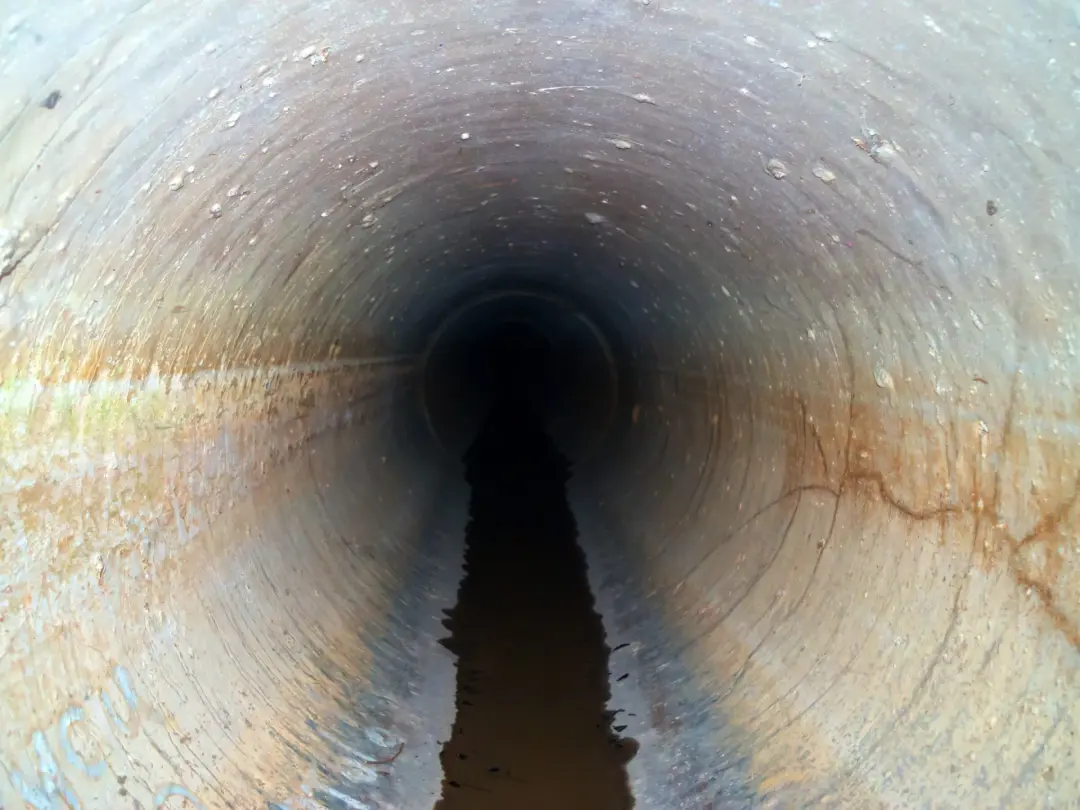
Drain Lining
Cracked, leaking or root-damaged drain runs renewed from the inside with CIPP lining. No trenches through your garden or driveway, and a recorded camera survey before work starts.
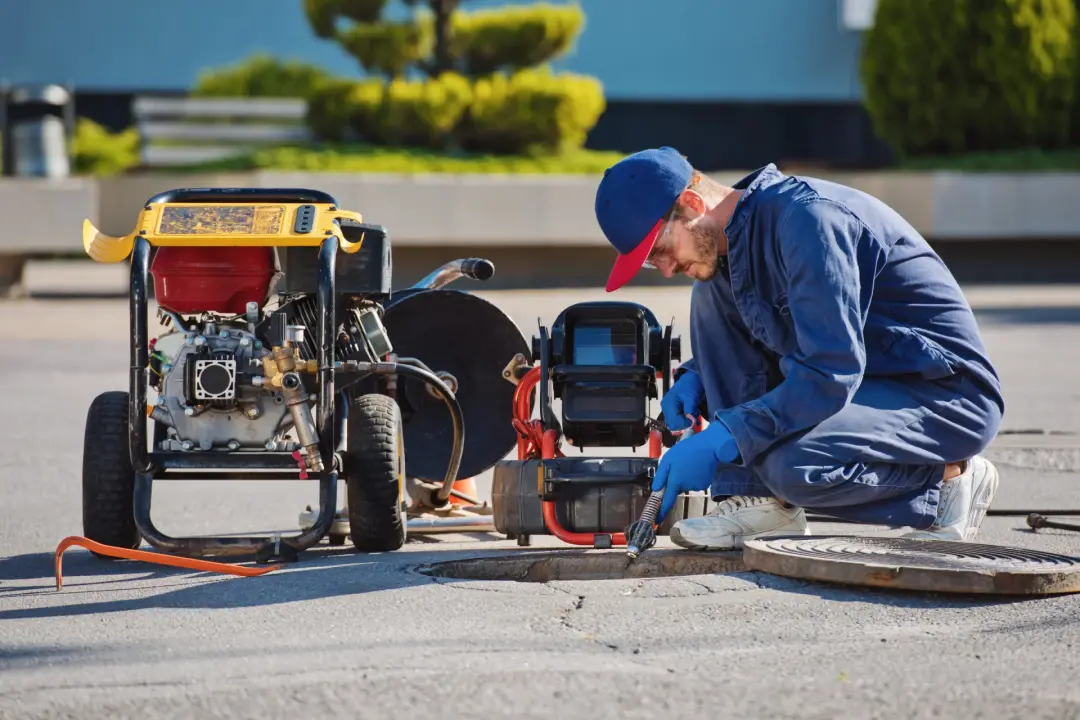
CCTV Drain Surveys
A camera inspection that shows blockages, cracks, root ingress and collapses inside your pipes. Every survey is recorded, you get a copy of the footage, and we give clear advice on the next step.
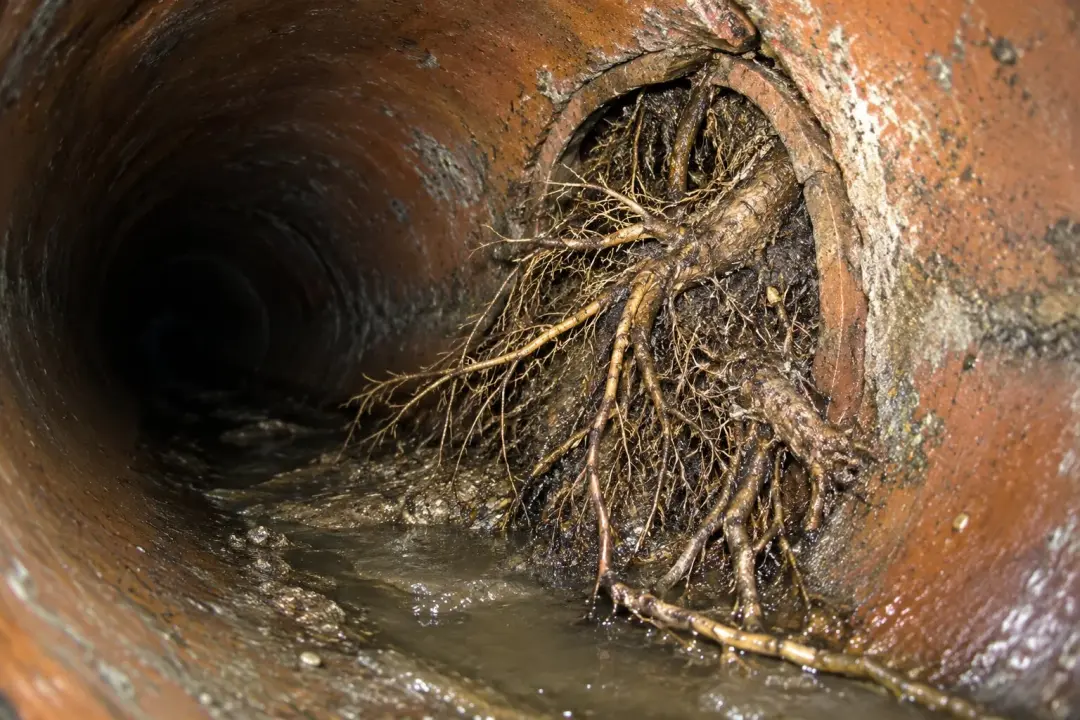
Tree Root Removal
Roots found on camera, cut and jetted out of drains and sewers, then the entry point sealed with lining or a repair so they stay out. No call-out charge and every quote is free.