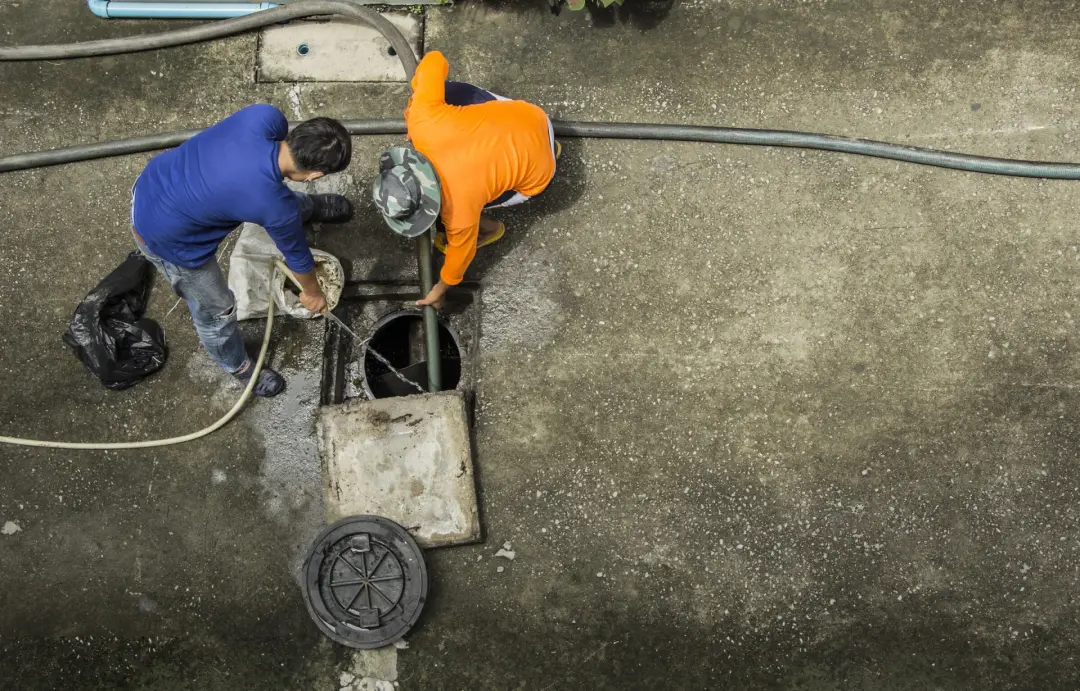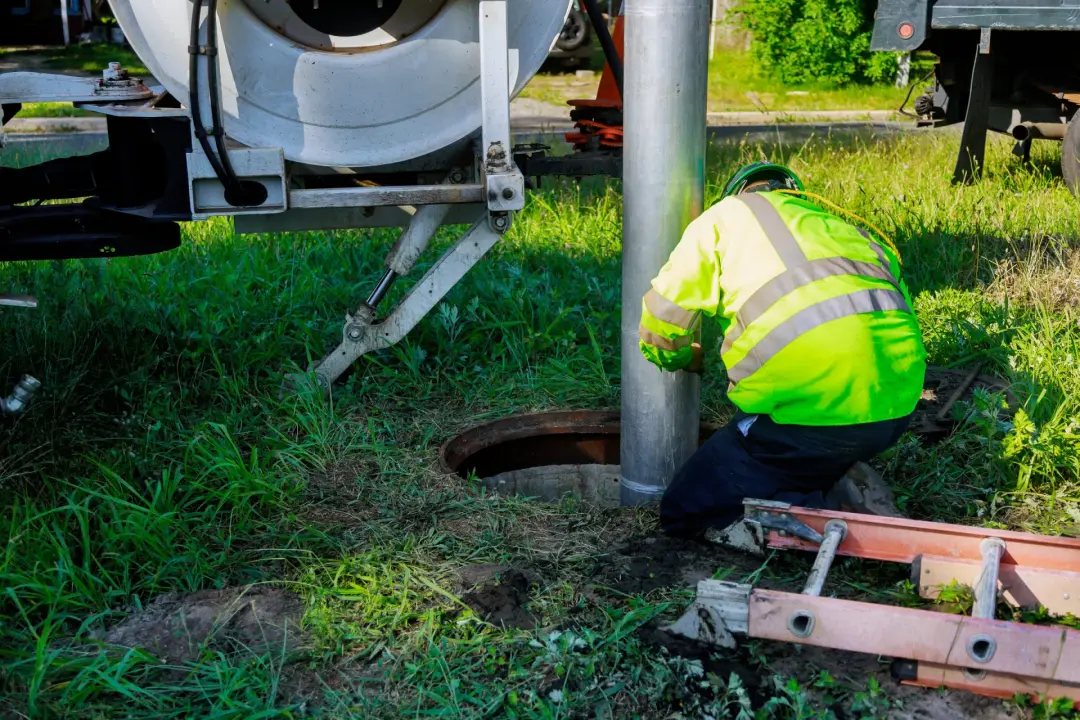
Does your property need drain repairs? Discovering a blocked, cracked or leaking pipe is never welcome. Sometimes it comes down to the age of the system, and sometimes it is caused by something outside your control. There is still plenty you can do to keep your drains healthy, and the tips below will help you avoid drain repairs.
Start with these four things worth doing.
Clean Your Drains Regularly
Regular cleaning is one of the easiest ways to keep repairs at bay. Bathroom and kitchen plugholes, along with toilets, are all at risk if they are never looked after. A mild cleaning product used regularly will stop clogs building up. A kettle of hot water poured down the kitchen sink once a week also helps to loosen soapy film before it has a chance to set.
Watch for Signs of a Blockage
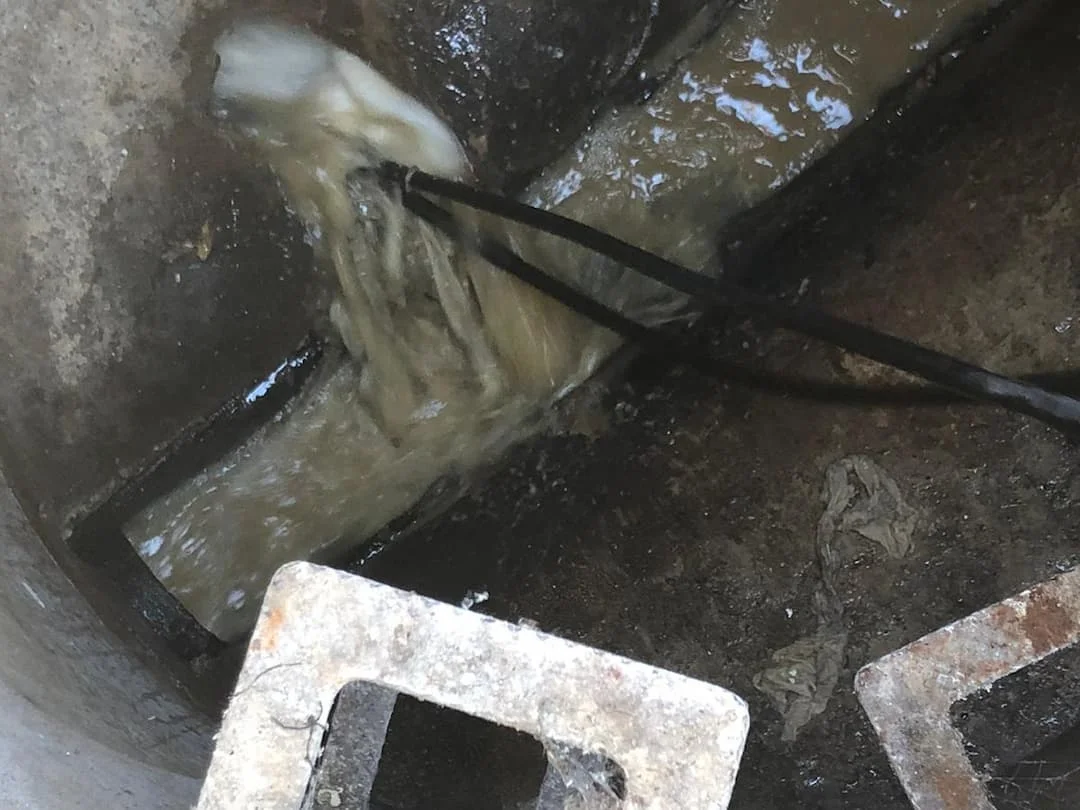
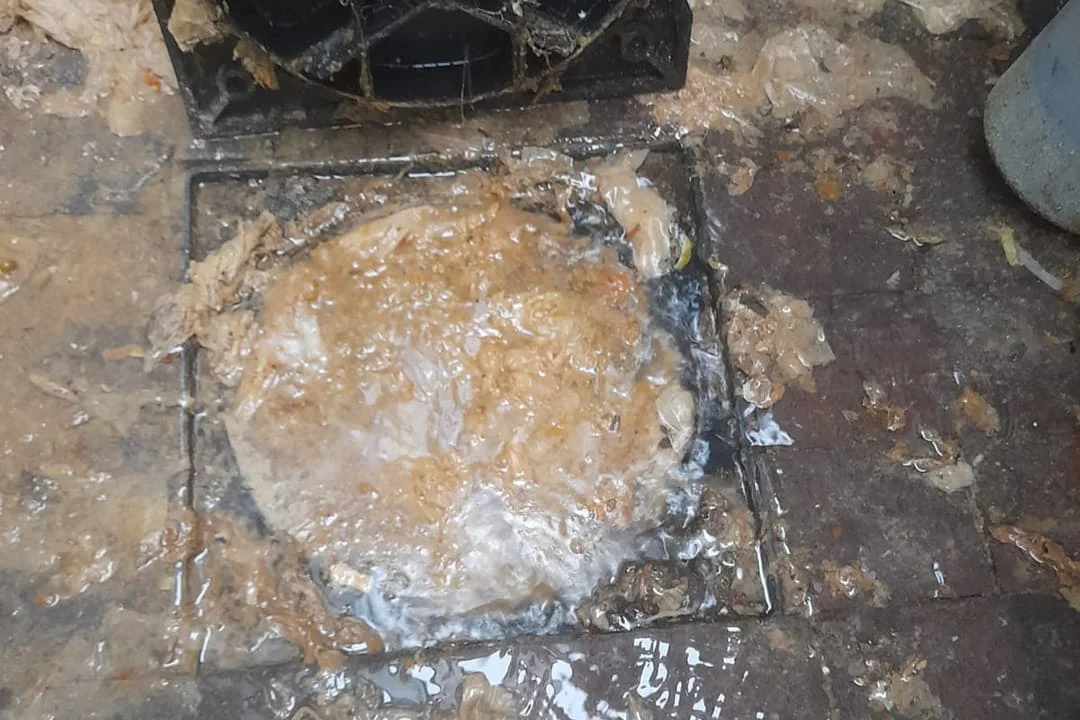
A blocked drainage system usually gives you some warning. Odd smells, water that drains slowly and overflowing drains can all point to a problem. Have it looked at as soon as you can, before a simple blockage turns into a repair job. Gurgling from a plughole after the bath empties, or a toilet bowl that rises before it drains away, deserves the same quick response.
Fit a Drain Guard
If your kitchen sink does not already have one, a drain guard is well worth adding. It catches debris, usually bits of food, before it disappears down the plughole. Left to collect in the pipes, that debris can cause a blockage that eventually leads to lasting damage. Fit a guard in your kitchen and you have one less thing to worry about.
Keep Outside Gullies and Manhole Covers Clear
Outside drains need attention too. Gullies, the small open drains at the foot of downpipes and beside kitchen walls, collect leaves, silt and moss, and once the grate is covered, water has nowhere to go. Lift the grate every few months, scoop out what has gathered and rinse it through with a bucket of water.
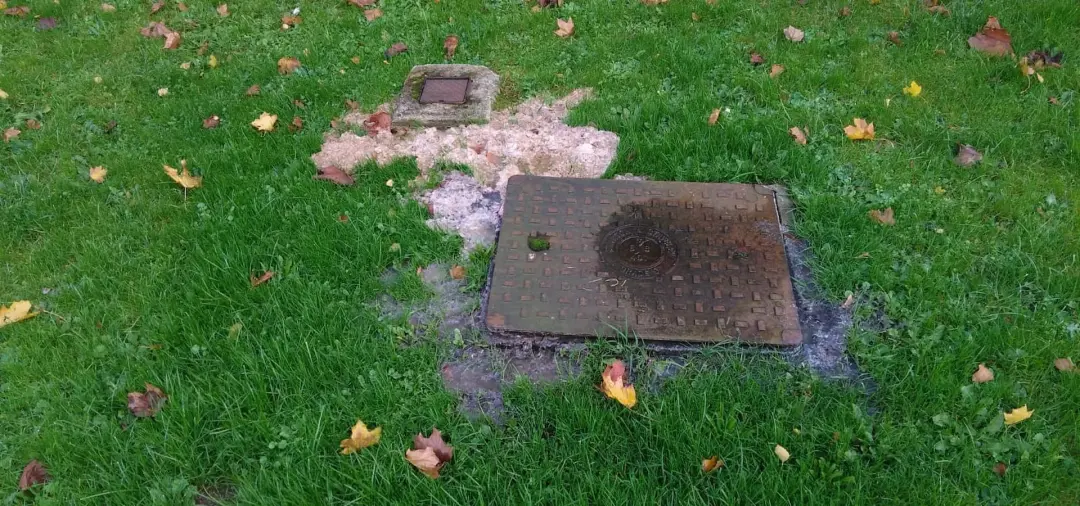
Keep manhole covers visible and free of soil, gravel and plant pots so the drains can be reached quickly if something goes wrong. Never wash cement, plaster, paint or grout into a gully after DIY work. These materials settle in the pipe and set hard, and they usually have to be cut or jetted out.
And here are two things to avoid.
Don't Flush Unsuitable Items
Looking after your drains is as much about what you do not do. Be careful about what goes down the toilet. Wet wipes, nappies and sanitary products all cause trouble in the pipes and belong in the bin, not the toilet.
Don't Pour Fat Down the Drain
To cut the risk of needing repairs or an unblocking service, keep fat, oil and grease out of the sink. Once in the system they harden and keep growing, eventually forming what is known as a fatberg. Large fatbergs have been found in sewers beneath towns and cities, so it pays to keep your own drains in good condition.
Think Before You Plant Near a Drain
Tree and shrub roots are drawn to the moisture inside underground pipes. Many older properties still have clay drains laid in short lengths, and the joints between them are a natural weak point. A fine root can slip through a gap, then thicken year after year until it cracks or blocks the pipe.
Before any new planting, find out where your drains run and keep thirsty trees and large shrubs well away from them. If roots are already inside the pipe, our tree root removal service can cut them out and clear the drain, although the damaged section may then need lining to keep them out.
Have Older Drains Checked Before Faults Grow
Small faults rarely announce themselves. A cracked pipe or a slightly shifted joint can keep working for years while it slowly lets water out and roots in. By the time you notice a smell or a repeat blockage, the damage has often spread.
A camera inspection is the simplest way to catch problems early and avoid drain repairs on a larger scale. During a CCTV drain survey we send a camera along the pipe, record what it finds and give you a copy of the footage. A crack or open joint found early can often be sealed with patch lining, a much smaller job than repairing a pipe that has collapsed.
Know Which Drains Are Yours to Maintain
It helps to know where your responsibility ends. As a rule, drains that serve only your property and sit inside your boundary are yours to look after. Since October 2011, most shared drains and lateral drains in England and Wales have been the responsibility of the local water company, so a blockage in a pipe serving several homes may not be yours to fix. If you are unsure, check before booking any work.
Call Jet Plumb for Drain Repairs
If the drainage at your home is giving you trouble, get in touch. Where pipes or drains have already been damaged, our experienced engineers can carry out the repair, with no call-out charge and a free, no-obligation quote.
For drain repairs in Stroud and across Gloucestershire, call Jet Plumb today on 01453 827124.