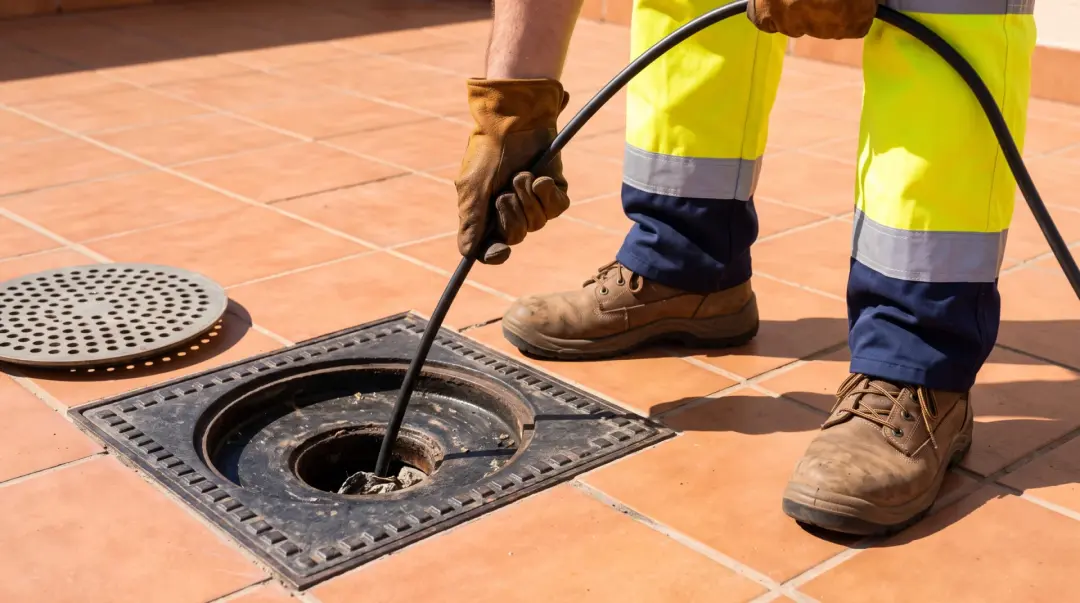
When a home remedy is not doing the job, professional drain unblocking is what gets the water flowing again. But what actually happens once the engineer arrives? There is far more to it than a plunger and crossed fingers. The correct tools, used in the correct way, can shift a stubborn blockage far faster and keep it from returning straight away. Choosing the right method takes real skill, and that is often the difference between a fix that lasts and one that does not.
If you have ever wondered what a drainage engineer actually does when you call one out, here is a look at how the work is carried out.
Step One: Locating The Blockage
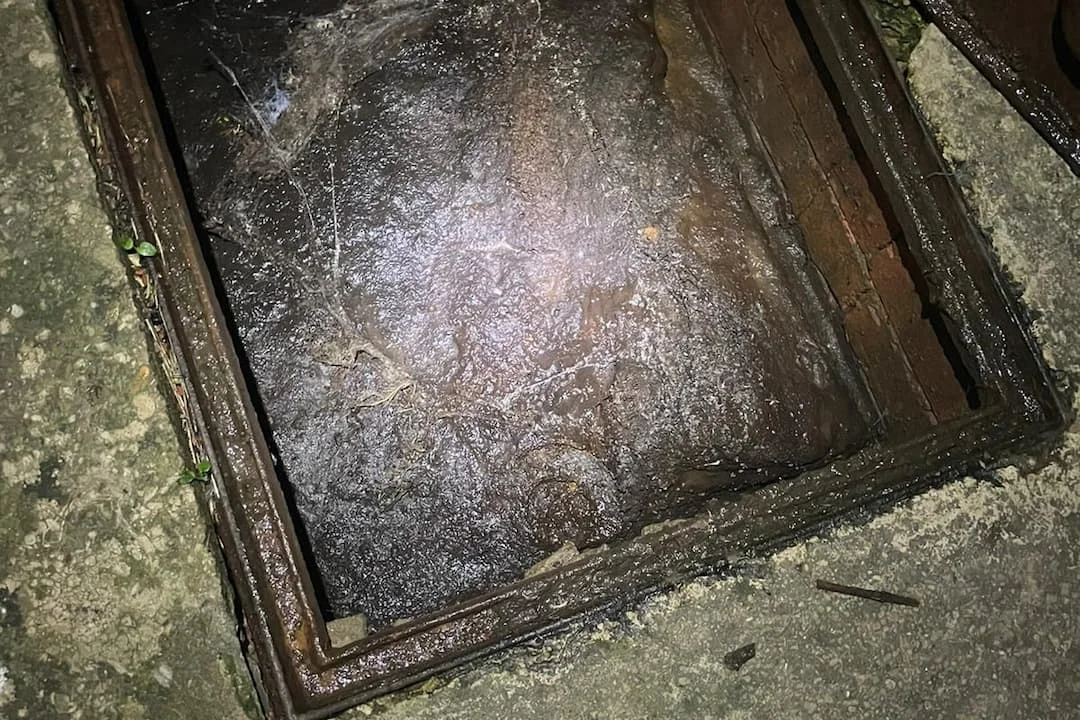
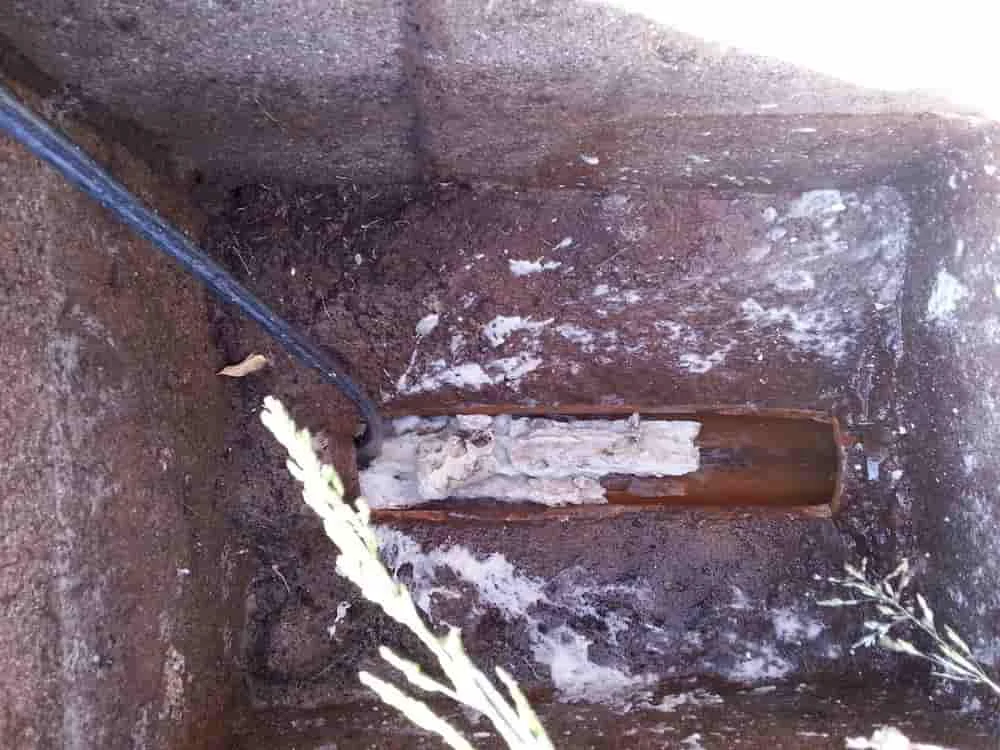
Nothing can be cleared until the blockage has been found. For a simple clog close to a plughole, that is quick and obvious, but with awkward or recurring problems, guesswork wastes time and money. That is why engineers often begin with a camera. During a CCTV drain survey, a camera travels along the pipe and shows precisely where the blockage is, how severe it is and what has caused it. The right method can then be used from the start, with no fumbling around in the dark.
The cause matters as much as the location. A build-up of grease calls for a different approach from roots growing into the pipe or a pipe that has partly collapsed, and one look inside tells the engineer all they need to know.
The Main Ways Drains Are Unblocked
With the problem found, the engineer chooses the most suitable method. Each one has its own strengths, and two or more are often combined:
- High-pressure jetting: strong jets of water blast the blockage away. Best for grease, silt and other build-up.
- Drain rodding: bendable rods are pushed in to break the blockage apart. Best for shallow blockages within easy reach.
- Electro-mechanical cutting: rotating cutters slice through whatever is in the way. Best for tree roots and hard-packed debris.
- Manual removal: debris is cleared out by hand or with a tool. Best for blockages close to an access point.
Drain jetting is the usual choice for everyday build-up. It is quick and thorough, and it cleans the full width of the pipe instead of just boring a small gap through the centre of it. That is a large part of the reason jetted drains stay clear for longer. Our drain jetting page explains the process in more detail if you would like to know more.
Why Professionals Get Better Results
Better equipment certainly helps, but it is not the whole story. The real difference is understanding why the blockage formed. A professional clears the entire pipe, checks for any underlying problems and can pick up the first signs of damage before they turn into a larger, more expensive job. The goal is to leave the pipe properly clean, rather than forcing a narrow channel through the blockage and calling it finished. As a result, the blockage is much less likely to come back, which saves you from repeat call-outs.
Safety is part of it too. Drainage engineers know how to handle wastewater safely, wear the right protective equipment and dispose of waste correctly. It may not be glamorous work, but doing it properly protects your home and your health.
What To Try Before You Call
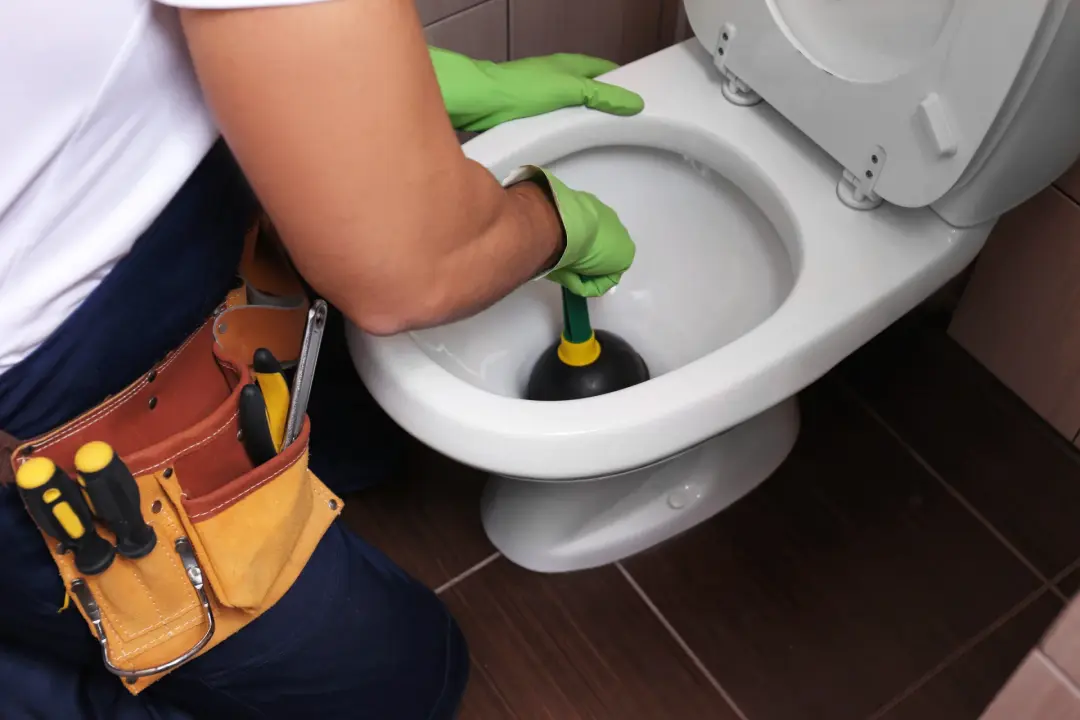
With a minor blockage, it is always worth having a go yourself before you pick up the phone. Small, shallow blockages will often give way to a plunger, hot water from the kettle, or baking soda mixed with vinegar. In a bath or shower, start at the plughole and work through these simple steps one at a time. If the water drains away, good. If the problem hangs around, keeps coming back or affects more than one drain, that is the moment to get help before it gets worse.
Signs It Is Time For An Expert
A few clear signs show the problem has gone beyond DIY and needs a professional visit:
- The same drain keeps blocking
- Several sinks or toilets are slow to empty at the same time
- Waste or dirty water is coming back up into the house
- A bad smell will not go away, however much you clean
- Gurgling noises come from more than one fitting
How Long Does It Take To Unblock A Drain?
People often want to know first how long they will be without working drains. Honestly, it depends on the blockage. A simple clog that is easy to reach can often be cleared in less than an hour. A tougher build-up further into the system, or one that has to be checked with a camera first, can take a bit longer. Professional equipment is much quicker than any home remedy, so even an awkward job is usually finished on the same day. Once the engineer has seen the problem, they will tell you clearly how long it should take.
Stopping The Blockage Coming Back
Clearing the blockage is only half the job; preventing a repeat is what really counts. Once the water is flowing again, a few simple habits will keep it that way. Put used cooking fat in the bin instead of down the sink, use strainers to trap hair and bits of food, and run hot water through the drains from time to time. If your drains have a history of problems, consider booking a regular clean as part of ongoing sewer maintenance, which deals with build-up long before it causes trouble.
Need A Blocked Drain Cleared?
If DIY has not done the trick, our team has the equipment and experience to clear it properly. We will find the cause, remove the blockage and get everything flowing again with the minimum of fuss. Contact us to arrange a prompt local visit.
If you are in Stroud or anywhere in Gloucestershire, call Jet Plumb on 01453 827124. There is no call-out charge and quotes are free.