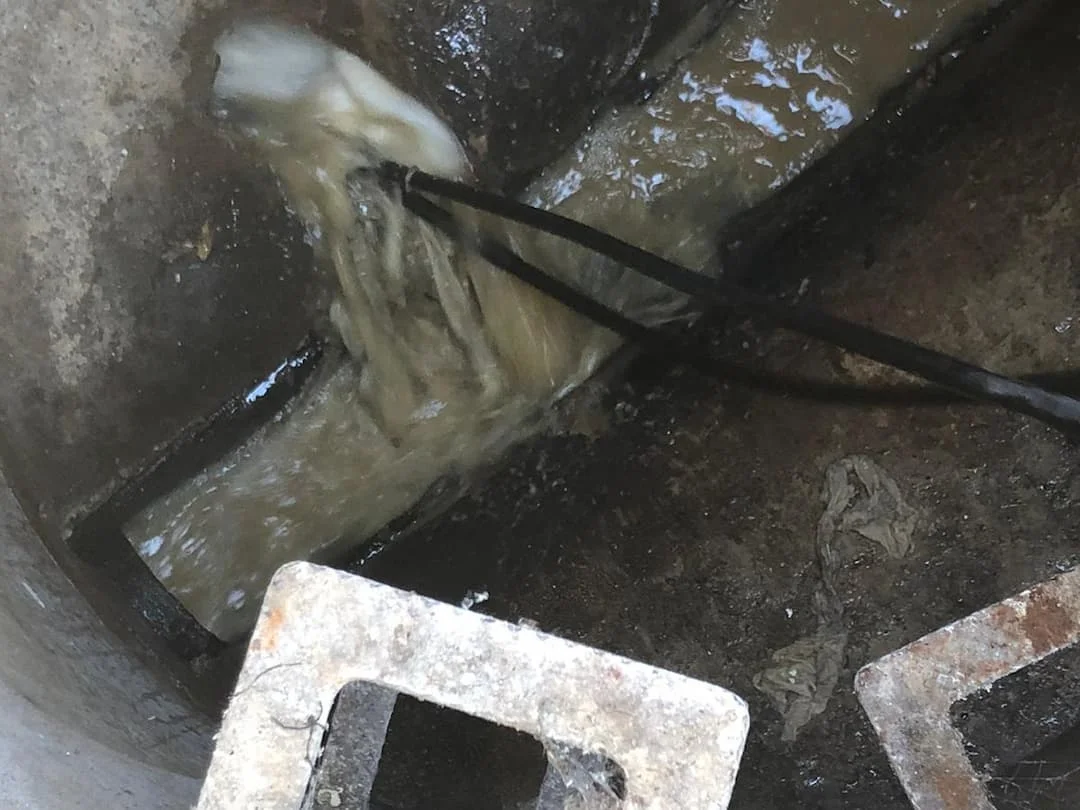
Looking after your drains is a key part of keeping any property running as it should. Blockages, leaks and damaged pipes are a nuisance, and if they are left alone they can turn into expensive repairs. This guide covers drain maintenance and repairs in detail, from simple habits and common faults to the professional solutions that keep your drainage system working smoothly.
Why Looking After Your Drains Matters
Your drains carry all the waste water away from your home. Keep them in good condition and you are far less likely to face blocked sinks, bad smells or water damage. Neglect them, on the other hand, and you risk blocked pipes, sewage backing up and even structural damage to the building. Regular checks, cleaning and small drain repairs stop these problems developing and help your drainage system last longer.
Whether you put in the time yourself or bring in professional engineers, regular upkeep cuts the risk of a sudden failure and keeps your plumbing doing its job.
Spotting When Your Drains Need Attention
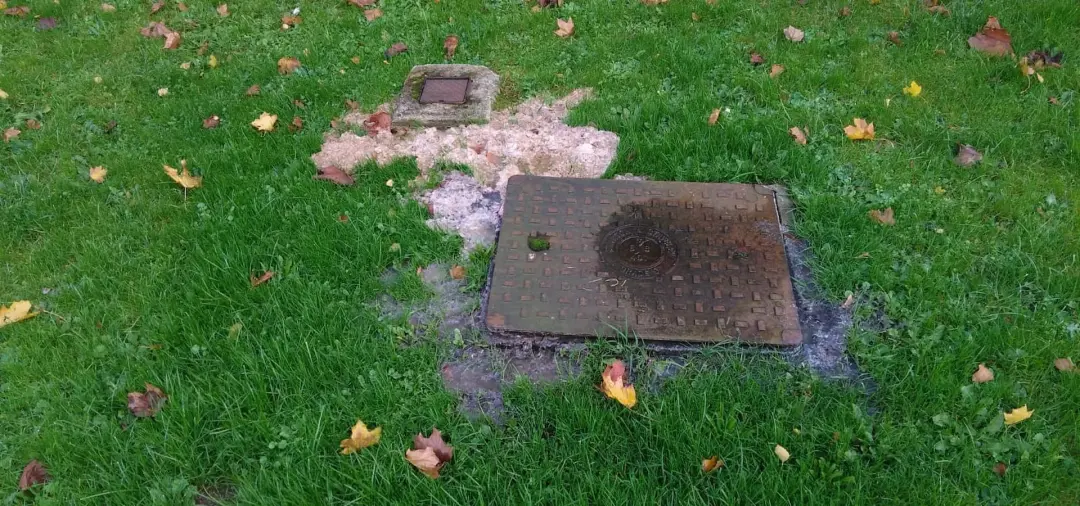
Plenty of drain problems can be caught early if you know the signs. Look out for sinks that empty slowly, unpleasant smells from plugholes and odd gurgling sounds from the pipes. Water collecting around outside drains often points to a blockage, and damp marks appearing on a wall or ceiling may mean a leak.
Ignore these warnings and you could end up with cracked pipes or a drain that blocks completely. Acting early keeps disruption and cost to a minimum.
Everyday Habits for Clear Drains
You do not need expert knowledge to keep your drains clear, and a few easy habits make a real difference. Drain covers are one of the best, catching hair, food scraps and other bits before they get into the pipes. They cost very little and greatly reduce the chance of a blockage.
Never tip cooking oil or grease into the sink, because it sets inside the pipes and slows the flow of water. Let it cool and put it in the bin instead. Running hot water down your drains now and then also helps to dissolve soap residue and small build-ups.
When You Can Fix Things Yourself
Some minor drain problems can be fixed with a bit of DIY. A plunger, for example, works well on blockages close to the surface in sinks and toilets, and a basic drain snake can pull out hair or small objects that are causing a clog. It is important, though, to know where DIY stops.
Deep blockages, cracked pipes and problems that keep returning are usually best left to a professional. Trying to fix them yourself can cause more damage, so calling in an expert tends to be both safer and better value in the long run.
How Professionals Help Maintain Your Drains
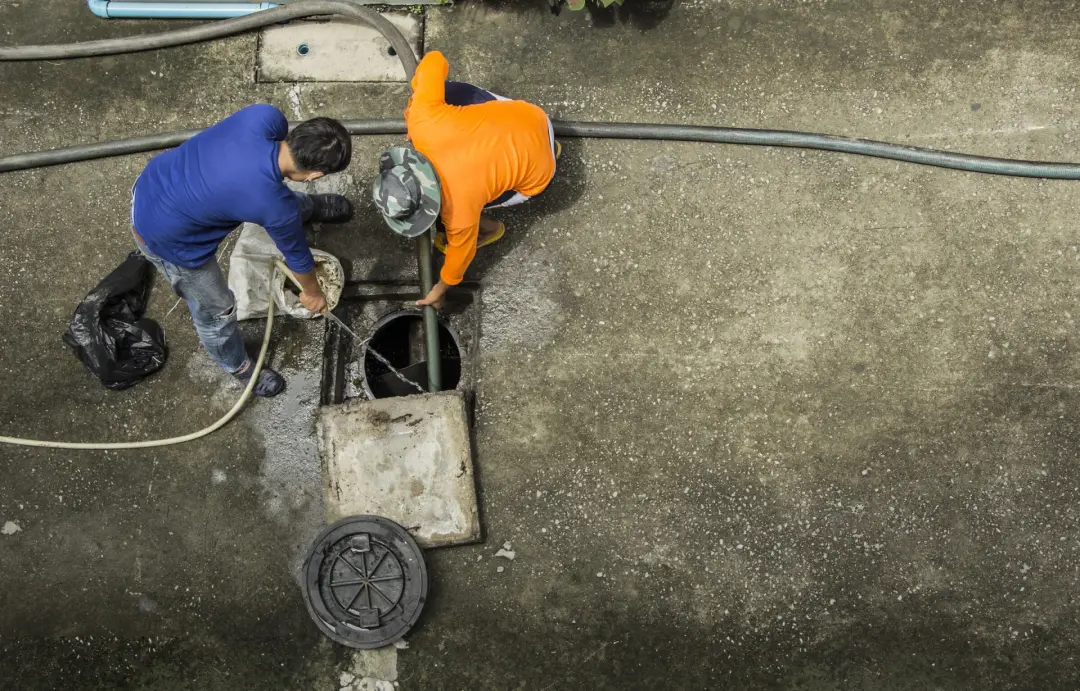
Drains can need repairing because of cracks, pipes that have shifted out of line or simple wear and tear. An experienced drainage engineer can:
- Repair damaged pipework
- Realign and reseal pipes
- Find lasting fixes for recurring problems
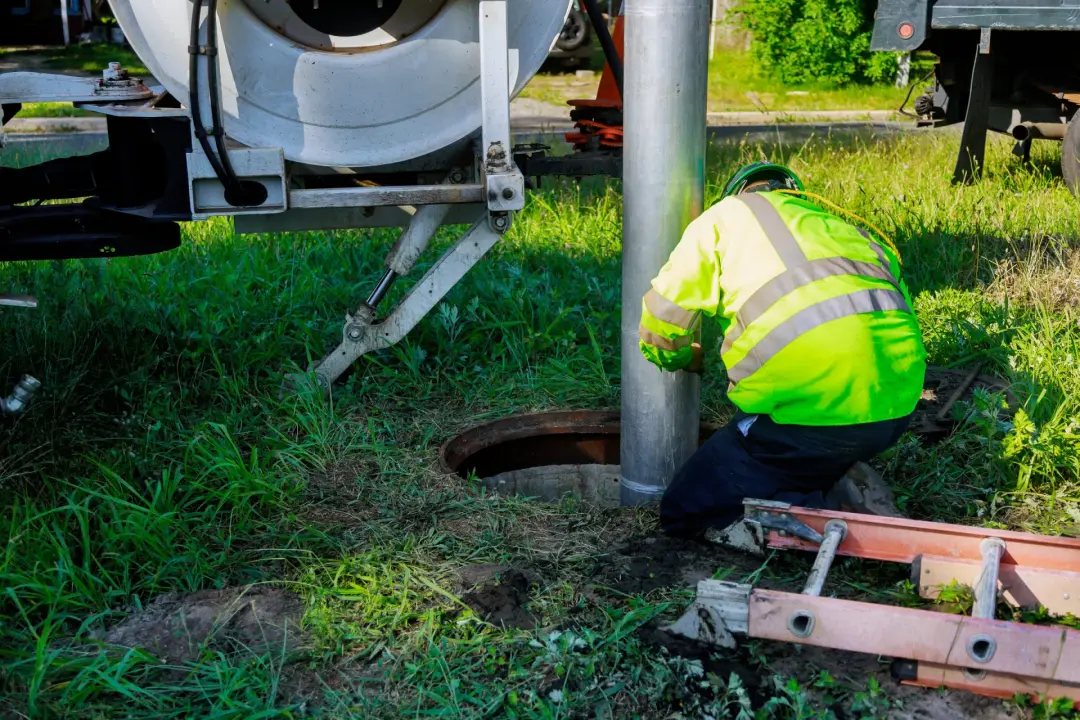
Local drainage engineers have specialist equipment and methods that make complex problems far easier to solve. High-pressure jetting, for example, clears stubborn blockages quickly and completely, shifting grease and debris and even cutting back roots that have worked their way into the pipes.
A CCTV drain survey is another useful service. With a camera inside the pipe, an engineer can find hidden faults, such as misaligned sections or hard, solid blockages, without disruptive digging. Using experienced engineers means the repair is done properly, giving you real peace of mind.
Clearing Blocked Drains
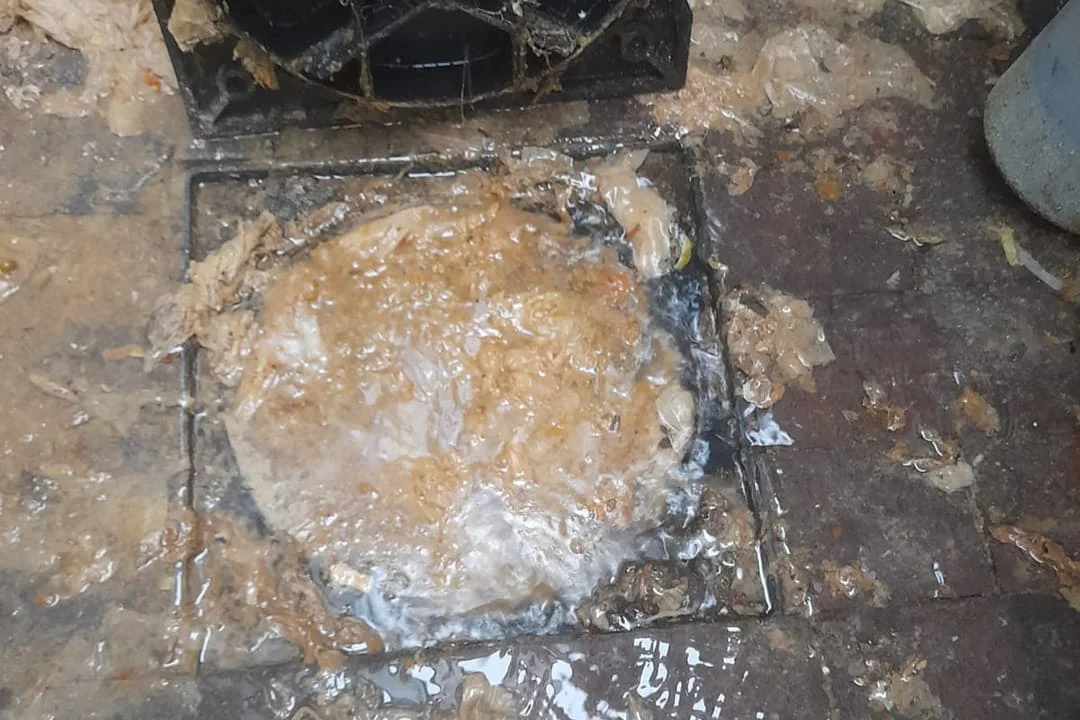
Blockages are among the most common plumbing problems in any home. Everyday items such as wet wipes, food waste and grease are often to blame, as are outside factors like tree roots growing into buried pipes. Whatever has caused it, a blockage should be dealt with quickly before it leads to something worse.
Drain jetting is the method most professionals use to clear blockages, firing water at high pressure through the pipes to loosen and flush out whatever is stuck. For the most stubborn cases, an engineer may suggest further work, such as excavation or replacing a section of pipe.
Understanding Drain Repairs
Drain repairs range from sealing small cracks to replacing whole lengths of broken pipe. Common methods include patch lining, which strengthens weak spots without the need to replace the pipe, and excavation where the damage is more serious.
When you choose a drainage company, look for professional engineers who use up-to-date methods. A reputable firm will give you a clear quote before any work begins, so there are no unexpected costs.
Preventing Problems in Future
When it comes to blockages and costly repairs, prevention will always beat cure. Simple upkeep, such as running hot water and vinegar through your drains, helps keep the pipes clear. Make sure everyone in the household knows what should never go down a sink or toilet, including oil, grease and items that do not break down.
If your area is prone to drainage problems, think about booking a yearly inspection with a local drainage company. An engineer can spot developing issues before they get worse, which saves you both time and money.
Choose Jet Plumb for Your Drainage
If your drains are causing problems, Jet Plumb provides a friendly, professional service. Our experienced engineers carry high-pressure jetting equipment and CCTV drain cameras, so we can deal with whatever we find. Whether you need routine maintenance, a repair or emergency help, we offer a fast, dependable response, 24 hours a day, 365 days a year.
There is no need to put up with blocked or damaged drains. If you are in Stroud or anywhere in Gloucestershire, call Jet Plumb on 01453 827124 for a free, no-obligation quote.