
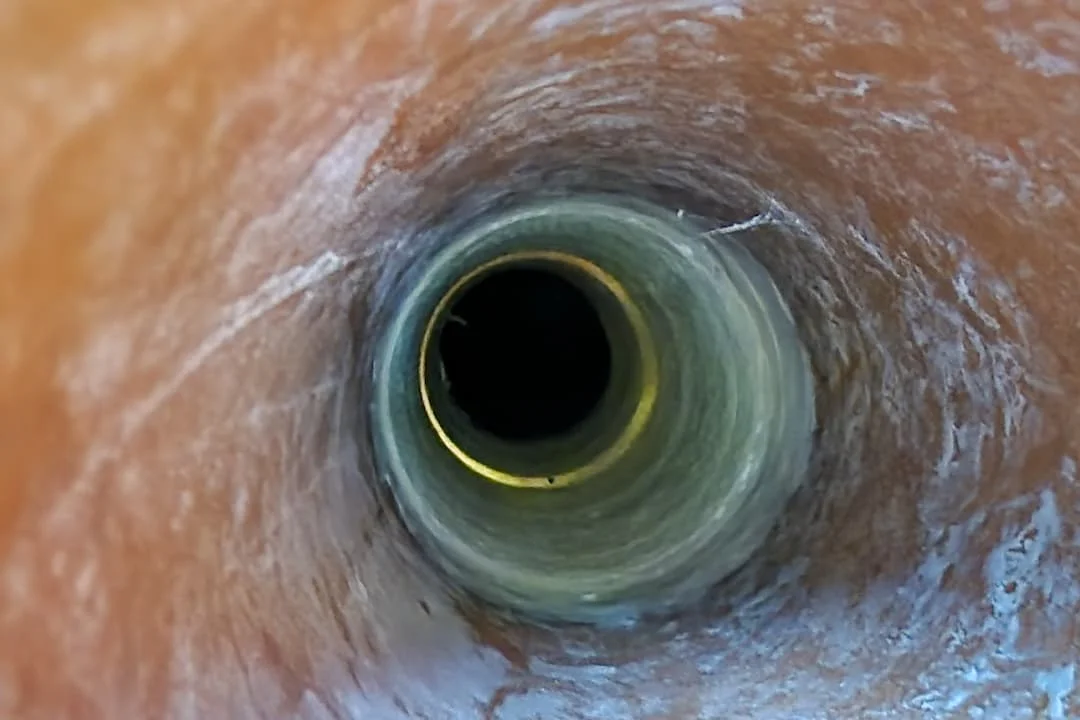
A New Pipe Inside the Old One
Jet Plumb carries out drain lining Gloucestershire property owners can rely on when a pipe is cracked, leaking or letting roots in but still holds its shape. Known as CIPP, or cured-in-place pipe, the method renews the drain from within, without trenches across your property.
Lining suits longer runs where damage is spread along the pipe, such as a series of cracked joints between two manholes. For a single crack or one bad joint, a shorter patch lining repair is usually the better choice, and we will tell you honestly which your drain needs.
How CIPP Drain Relining Works
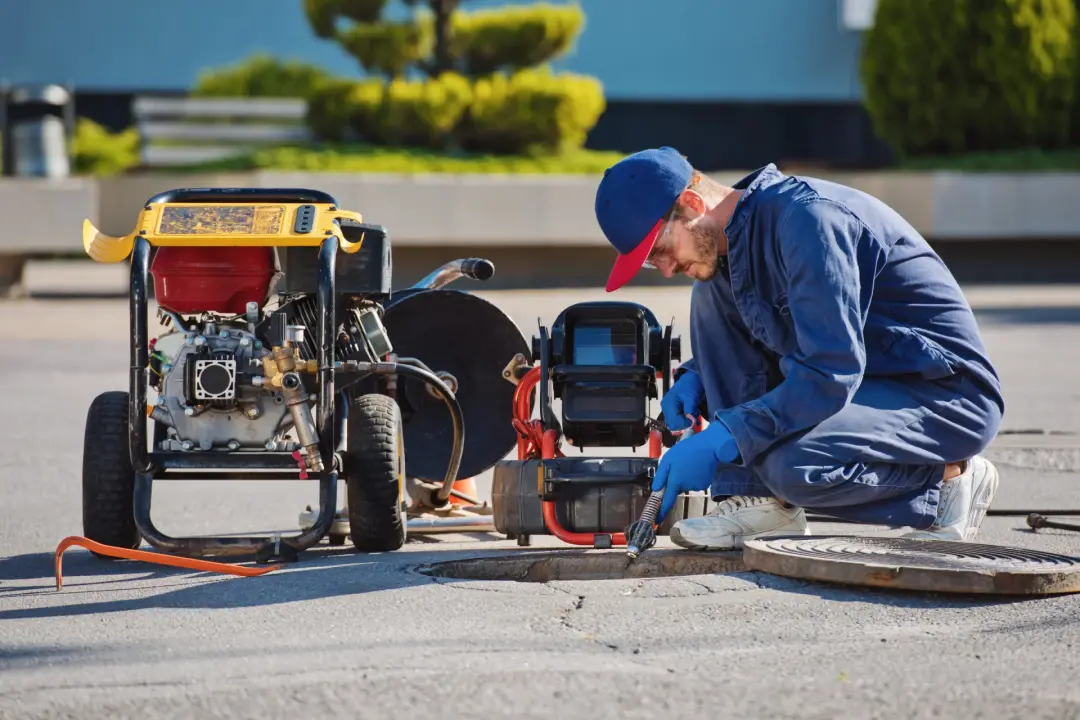
Every lining job starts with a CCTV survey. The camera shows us the length of pipe affected, its diameter and the type of damage, and confirms that lining is the right repair. The footage is recorded and you receive a copy. It also tells us whether a shorter patch would do the job instead.
Next, the pipe has to be clean. We jet it at high pressure to remove scale, fat, roots and debris, because the liner needs a clean, sound surface to bond to. Any roots growing through joints are cut back at this stage, and we check again on camera that the pipe is ready.
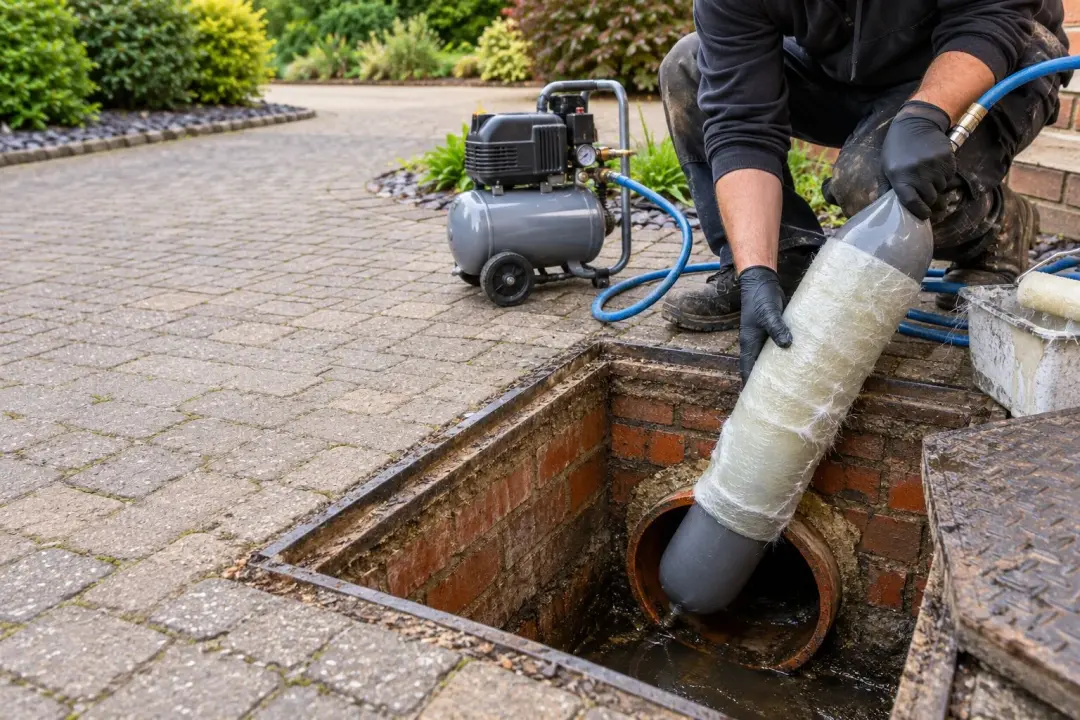
A liner made from fibreglass matting is impregnated with resin, cut to the measured length and fed into the drain on an inflatable packer. Once it is in position, the packer is inflated to press the liner firmly against the old pipe wall. The resin then cures and hardens, leaving a smooth new pipe inside the original. A final camera check lets you see the finished repair for yourself. Because the inside is smooth, fat and debris have less to cling to.
- Cracked and fractured pipe sections
- Leaking or open joints
- Root ingress through joints and cracks
- Pipes worn or porous along their length
- Drains that keep blocking because of rough, damaged walls
Full-Length Relining
Where cracks and failed joints run along much of a drain, we line the whole length between access points. The result is one continuous pipe inside the old one, with no joints for roots or leaks to exploit.
Under-Driveway Drains
Drains beneath block paving, tarmac or concrete are expensive and disruptive to dig up. Lining them through the nearest manhole keeps the surface intact, so your drive stays usable and nothing needs relaying or reinstating afterwards.
Drains Under Buildings
Pipes running beneath extensions, conservatories and kitchen floors are among the hardest to replace. Lining repairs them from an access point outside, in most cases, avoiding the need to break up floors or disturb the structure above.
Root-Damaged Pipes
Once roots have been cleared from a drain, the cracks and joints they came through are still open. Relining the affected length seals those entry points, which makes it much harder for new growth to find its way back in.
Porous Clay Pipework
Old clay drains can become porous and lose their joint seals over decades of use. A resin liner gives them a sealed, smooth inner surface, stopping waste water escaping into the surrounding ground and undermining paths and foundations.
Commercial Drain Runs
Shops, offices and industrial units often have long drain runs under car parks and loading areas. Relining them through existing chambers keeps entrances open and traffic moving while the work goes on, rather than closing off a yard to dig a trench.
When Lining Is Not the Answer
Lining needs an existing pipe to work with. If a section has collapsed, slipped badly out of line or lost its shape, a liner cannot form a proper new pipe through it. The camera survey makes that clear before any money is spent.
In those cases we explain why and recommend excavating and replacing the failed length, sometimes combined with lining on the sound sections either side. You get straight advice either way, and we never push a repair that will not last.
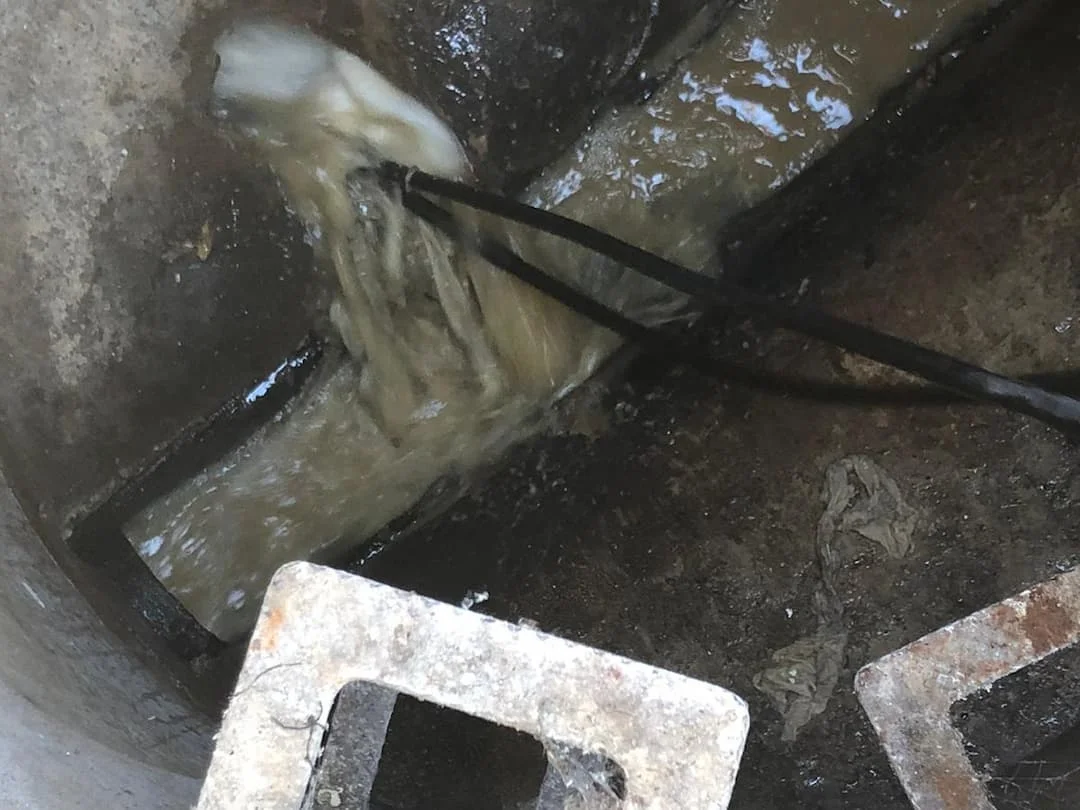
Drain Lining for Homes and Commercial Sites
At home, lining is often the neatest way to fix a drain running under a driveway, an extension or a mature garden. We work tidily, explain each stage and keep you informed from the survey to the final check. Gardens, borders and paved areas are left as they were.
For landlords, shops, offices and industrial sites, working through access points means less disruption to tenants, staff and customers, and the work can often be arranged around your busiest times. Contract work is welcome for property portfolios and larger sites.
Lining is also a practical fix when a home buyer drain survey turns up cracked or leaking pipes before a sale. The camera footage gives you a clear record of the defect and of the completed repair.
Signs Your Drain Could Need Relining
Damage inside a drain is out of sight, but it usually shows itself in other ways. These are the problems that most often lead to a lining repair.
- Blockages that return soon after the drain is cleared
- A lingering drain smell outside or inside the house
- Damp patches or soft ground along the line of a drain
- Roots found in the pipe during jetting or a survey
- Cracks or open joints shown on a CCTV survey
- A home buyer drain survey flagging defects
- Slow drainage from several fittings at once
Request a Drain Lining Quote
Call 01453 827124 to arrange a survey and a free, no-obligation quote. There is no call-out charge, and we will explain the options clearly before you commit to anything. If a recent survey has already been done, have the report to hand when you call.
We line drains in Stroud and across Gloucestershire, including Cirencester, Cheltenham, Gloucester, Dursley, Stonehouse and Malmesbury. For drains that are overflowing now, our emergency line is 07966 142960.
Drain Lining FAQs
Common questions about drain lining in Gloucestershire.
CIPP stands for cured-in-place pipe. A resin-soaked fibreglass liner is placed inside the damaged drain and pressed against the existing pipe wall by an inflatable packer. When the resin cures, it forms a hard, smooth new pipe inside the old one, sealing cracks and joints without digging.
Not for the lining itself. We get into the pipe through existing manholes, inspection chambers or access points. Digging is only needed if there is no suitable access, or if part of the pipe has collapsed and must be replaced first, and we would explain that before any work starts.
Drain lining renews a longer length of pipe, often a full run between two access points, where damage is spread along it. Patch lining uses a short section of the same CIPP material to repair one localised defect, such as a single crack or a leaking joint. A survey shows which you need.
No. Lining works on pipes that still hold their shape. Collapsed sections, severely displaced joints or badly deformed pipes usually need excavating and replacing. Our CCTV survey tells us whether lining is suitable, and we will be straight with you if it is not.
The liner sits against the inside of the old pipe, so the bore reduces slightly. In practice the smooth, jointless surface lets water flow freely and gives waste fewer places to catch than old joints and cracks did, which is why lined drains tend to block less often.
Roots enter drains through cracks and open joints looking for moisture. A continuous liner seals those weak points, closing the routes they use to get in. We first clear any roots already inside the pipe by jetting or cutting, then line the damaged length.
It depends on the length of pipe, the access and how much cleaning is needed first. Lining is usually much quicker than excavation because there are no trenches to dig and backfill. We will give you a realistic idea of timing once we have surveyed the drain.
Related Drainage Services
Patch Lining
A short CIPP patch seals a single crack, hole or leaking joint from inside the pipe. Precise, CCTV-guided repairs that leave the rest of your drain and the ground undisturbed.
CCTV Drain Surveys
A camera inspection that shows blockages, cracks, root ingress and collapses inside your pipes. Every survey is recorded, you get a copy of the footage, and we give clear advice on the next step.
Drain Repairs
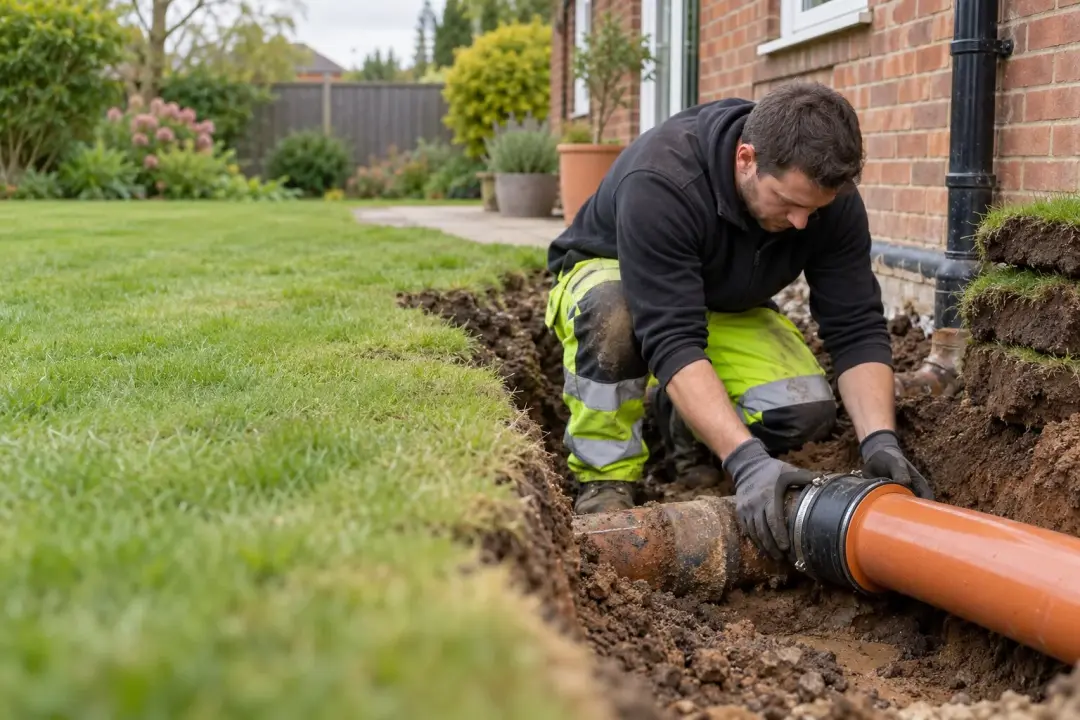
Cracked, leaking and collapsed drains diagnosed by CCTV, then repaired by patch lining, full relining or excavation, whichever suits the damage. Fully insured, with all work guaranteed.